Ebola Lockdown is Brutal, Heartless But Effective
EBOLA in Sierra Leone, Liberia and Guinea shows no signs of abetting, with 40% of new cases being reported in the past 21 days alone—suggesting a huge under-reporting of cases so far.
The outbreak is now expected to get worse before it gets better - at least according to worst case scenarios - with the World Health Organisation saying the virus could infect up to 20,000 people.
With such a grim outlook, it’s small wonder some countries are sealing off borders, cancelling flights and refusing to let ships dock in port, in isolation measures reminiscent of 14th century Europe when the Black Death killed an estimated 75 million.
A cordon has been set up in a triangular area where the borders of the three countries meet, with soldiers checking credentials and taking the temperatures of those trying to go in or out. The New York Times reports it’s a tactic that hasn’t been seen in nearly a hundred years, when a similar cordon was set up between Poland and Russia in 1918 to prevent typhus fever from spreading west. It’s been called “heartless but effective”: Cordons can be brutal, at their most extreme everyone within the area could be left to die or survive, until the outbreak burns itself out.Officials say human rights will be respected, and food, water and supplies will be allowed through. But food and fuel shortages are already beginning to bite. Riots broke out in a slum in Liberia’s capital, Monrovia, last week as residents desperate for food rations battled police.
The World Food Programme (WFP) said that about one million people are facing food shortages because of quarantines around the region.African countries too, are stepping up the isolation by rolling out a raft of border closures to contain the spread of the virus, despite WHO saying travel bans and border closures are counter-productive and “do not work”. Senegal has closed its border with Guinea, and one case has been reported in Senegal so far. Cote d’Ivoire closed its borders with Guinea and Liberia last week.
The only countries in the region neighbouring a hard-hit country that are yet to close their borders are Mali and Guinea Bissau, both of which border Guinea.Some of the measures are admittedly rather excessive and quite unnecessary: Chad has closed its border with Nigeria, but the 15 Ebola cases reported in Nigeria have been in Lagos, over 1,500 kilometres away from the Chadian border in north-eastern Nigeria.Only the Democratic Republic of Congo (DRC) is doing something more proactive than just shutting borders—the country has sent an Ebola expert to Liberia to help deal with the outbreak. Until now, the DRC and Uganda are where many of the past Ebola outbreaks have been centred. The isolation is not just on land. Major international shipping companies are reportedly getting jittery about docking in the region. As of last week, many of the multinational shipping lines calling at seaports in West Africa had suspended shore leave as well as crew change in Liberia, Sierra Leone, Guinea and Nigeria.
A Liberian container vessel was even briefly stranded off the coast of Richards Bay, South Africa, after its arrival “sparked fears” that its crew could be carrying the deadly virus.
And Air France became the latest airline to suspend flights to the three hardest-hit countries. Now, the only major international airline landing in the region is Royal Air Morocco with once a day to Conakry and every other day to Monrovia and Freetown.
Even so, very few want to go there—from Casablanca, just 10% of seats to the three cities are occupied, Royal Air Morocco says. Although 15 cases of Ebola have been reported in Nigeria, flights to and from the country have not been affected.
Air Côte d’Ivoire, Nigeria’s Arik Air, Togo’s ASKY Airlines, British Airways, Emirates Airlines and Kenya Airways have together cancelled a combined 76 scheduled flights to Guinea, 70 to Liberia and 70 to Sierra Leone.
- Details
- Ngwa Bertrand
- Hits: 2582
Local News
- Details
- Society

Kribi II: Man Caught Allegedly Abusing Child
- News Team
- 14.Sep.2025
- Details
- Society

Back to School 2025/2026 – Spotlight on Bamenda & Nkambe
- News Team
- 08.Sep.2025
- Details
- Society

Cameroon 2025: From Kamto to Biya: Longue Longue’s political flip shocks supporters
- News Team
- 08.Sep.2025
- Details
- Society

Meiganga bus crash spotlights Cameroon’s road safety crisis
- News Team
- 05.Sep.2025
EditorialView all
- Details
- Editorial

When Power Forgets Its Limits: Reading Atanga Nji Through Ekinneh Agbaw-Ebai’s Lens
- News Team
- 17.Dec.2025
- Details
- Editorial
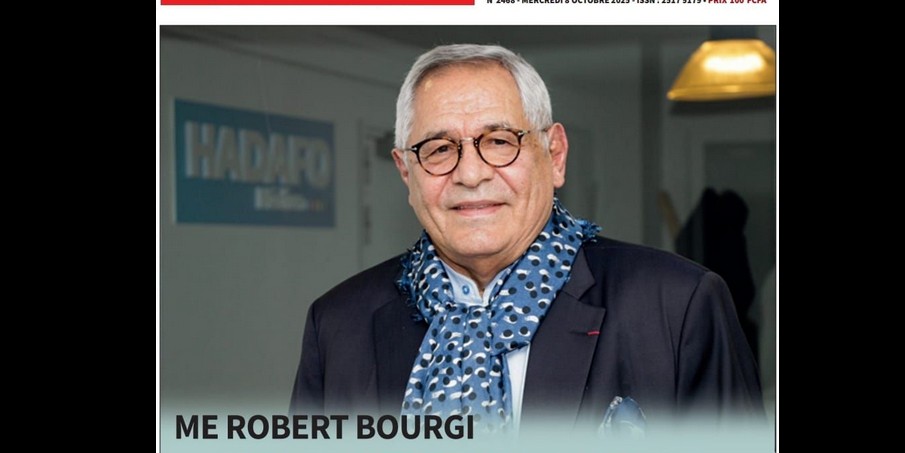
Robert Bourgi Turns on Paul Biya, Declares Him a Political Corpse
- News Team
- 10.Oct.2025
- Details
- Editorial

Heat in Maroua: What Biya’s Return Really Signals
- News Team
- 08.Oct.2025
- Details
- Editorial

Issa Tchiroma: Charles Mambo’s “Change Candidate” for Cameroon
- News Team
- 11.Sep.2025


