- Details
- Society
Cameroon’s Deathtraps Giving Way
Vehicles plying the Douala-Yaounde Highway were grounded for several hours on Monday, September 18, following the collapse of part of the Highway at Ebombe, a locality on the outskirts of Edea.
Vehicles that either left Douala or Yaounde that morning were forced to wait at the truncated spot until a new road deviation was created, while trouble-shooting and eye servant authorities were running helter-skelter to look for emergency solutions.
This is the third time in one year that the road linking the political and economic capitals is collapsing. On October 21, 2016, a culvert collapsed at Manyai leading to the Eseka train crash that claimed hundreds of lives.
Before the October 21, 2016 disaster, a contractor that was given the responsibility to rehabilitate the road said there were close to 100 culverts and bridges on the same Highway that really needed to be re-constructed before strategy strike.
But the Biya Government gave a deaf ear to the contractor’s warning and sacrificed hundreds of Cameroonians in the Eseka train crash. The train that finally killed over 200 persons was brought in as an emergency measure to solve the collapsed road.
It would also be recalled that before the September 18 catastrophe at Ebombé in the Littoral Region, a similar incident had happened in the West Region of the country where the Bafoussam-Bamendjou Road was cut into two, disrupting traffic circulation.
There has been an upsurge in the number of accidents in Cameroon. The numerous accidents have been blamed on reckless driving and poor state of vehicles by Government officials, but the real cause of accidents in Cameroon are the poor states of road.
The road network is not only dilapidated, but most of the roads which were built during the independent era and under former President, Ahmadou Ahidjo, have outlived their usefulness.
{loadposition myposition2}
- Details
- Rita Akana
- Hits: 1790
Local News
- Details
- Society

Kribi II: Man Caught Allegedly Abusing Child
- News Team
- 14.Sep.2025
- Details
- Society

Back to School 2025/2026 – Spotlight on Bamenda & Nkambe
- News Team
- 08.Sep.2025
- Details
- Society

Cameroon 2025: From Kamto to Biya: Longue Longue’s political flip shocks supporters
- News Team
- 08.Sep.2025
- Details
- Society

Meiganga bus crash spotlights Cameroon’s road safety crisis
- News Team
- 05.Sep.2025
EditorialView all
- Details
- Editorial
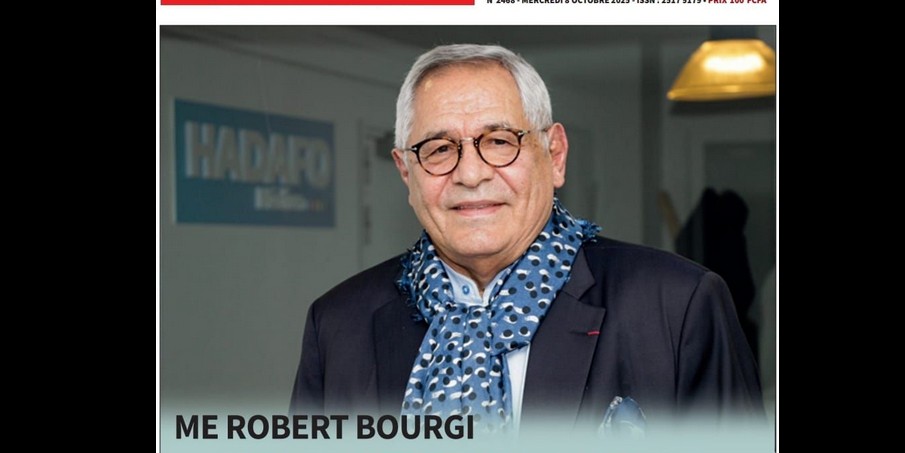
Robert Bourgi Turns on Paul Biya, Declares Him a Political Corpse
- News Team
- 10.Oct.2025
- Details
- Editorial
Heat in Maroua: What Biya’s Return Really Signals
- News Team
- 08.Oct.2025
- Details
- Editorial

Issa Tchiroma: Charles Mambo’s “Change Candidate” for Cameroon
- News Team
- 11.Sep.2025
- Details
- Editorial


