- Details
- Society
Delayed but Not Denied: Dagobert Nwafo Officially Detained in Mathis Murder Case
By Cameroon Concord | Special Investigations Unit, Yaoundé
YAOUNDÉ — Amid growing public pressure and criticism over judicial delays, Dagobert Nwafo, the man accused of stabbing six-year-old Mathis to death earlier this month, has finally been placed under remand at Kondengui Central Prison. His provisional detention warrant, dated May 27, 2025, was signed by Examining Magistrate LEMBE TOTO Jean Daniel, marking a significant turn in a case that has shocked the nation.

The Crime That Shook the Capital
According to court documents and multiple eyewitness reports, Nwafo is alleged to have fatally stabbed young Mathis multiple times on May 10 at their shared family residence in Yaoundé. Despite clear signs of violence and witness accounts pointing to his culpability, the legal process stalled for nearly three weeks, triggering waves of public anger and street protests.
The delay prompted accusations of impunity, with many questioning why such a brutal and high-profile case had not advanced. Protesters gathered outside courts and local government buildings demanding justice for the slain child, whom many now refer to as “le fiston national.”
Provisional Detention Finally Signed
The remand warrant reviewed by Cameroon Concord confirms that Dagobert Nwafo, born in 1978 and listed as a Cameroonian commercial agent with no children, is now formally charged with assassination under Articles 74 and 276 of Cameroon’s Penal Code. The warrant commands his detention at Kondengui until November 27, 2025, pending further judicial proceedings.
Until now, conflicting reports had emerged suggesting the suspect had been shielded from jail time by procedural foot-dragging. Notably, critics had accused the State Prosecutor, Luc Ndi Ndi, of prioritizing ceremonial appearances over urgent judicial action.
To prevent further unrest, authorities reportedly used an unmarked vehicle to transport Nwafo to court for his latest hearing. His appearance before the prosecutor was conducted discreetly to avoid confrontation with enraged community members.
Political and Moral Reckoning
The Prefect of Mfoundi, Emmanuel Mariel Djikdent, broke from legal protocol by stating publicly: “Dagobert Nwafo is not a presumed assassin — he is an assassin, nothing more.” While such remarks breach the principle of presumption of innocence, they reflect the deeply emotional atmosphere surrounding the case.
Social media has also been ablaze, dissecting every detail — including Nwafo’s lack of prior criminal record and absence of dependents. These elements have only intensified the focus on motive, mental state, and the broader failure of early intervention in domestic violence contexts.
What Comes Next?
As the investigation proceeds under tight scrutiny, all eyes remain on the judiciary to ensure transparency, fairness, and accountability. Legal experts predict that if convicted under the charge of assassination, Nwafo could face life imprisonment.
Was this delay a symptom of judicial dysfunction—or deliberate protection?
How can Cameroon safeguard children from domestic violence in their own homes?
Should public pressure influence legal decisions in high-profile criminal cases?
What lessons should the justice system learn from the public's reaction to the Mathis case?
- Details
- News Team
- Hits: 2204
Local News
- Details
- Society

Kribi II: Man Caught Allegedly Abusing Child
- News Team
- 14.Sep.2025
- Details
- Society

Back to School 2025/2026 – Spotlight on Bamenda & Nkambe
- News Team
- 08.Sep.2025
- Details
- Society

Cameroon 2025: From Kamto to Biya: Longue Longue’s political flip shocks supporters
- News Team
- 08.Sep.2025
- Details
- Society

Meiganga bus crash spotlights Cameroon’s road safety crisis
- News Team
- 05.Sep.2025
EditorialView all
- Details
- Editorial
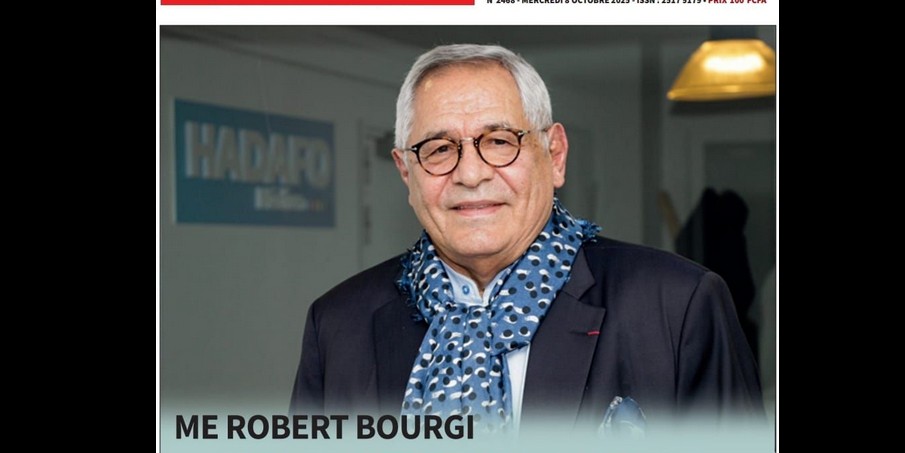
Robert Bourgi Turns on Paul Biya, Declares Him a Political Corpse
- News Team
- 10.Oct.2025
- Details
- Editorial

Heat in Maroua: What Biya’s Return Really Signals
- News Team
- 08.Oct.2025
- Details
- Editorial

Issa Tchiroma: Charles Mambo’s “Change Candidate” for Cameroon
- News Team
- 11.Sep.2025
- Details
- Editorial


