- Details
- Headlines
Afcon 2024: Algerian Influencer Sofia Benlemanne Faces Expulsion Over Derogatory Remarks on Ivory Coast
The recent arrest and imminent deportation of Franco-Algerian influencer Sofia Benlemanne following her disparaging remarks about Ivorians have ignited a debate about the responsibilities and consequences of social media influencers' actions. CLICK ICON ON IMAGE BELOW TO WATCH VIDEO
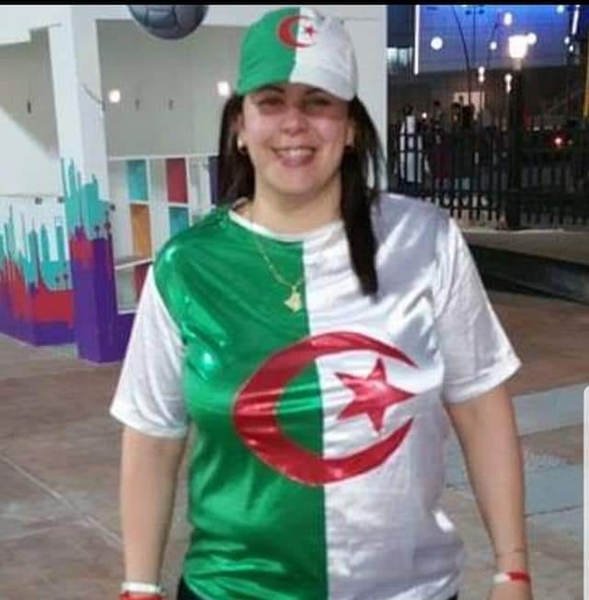
Benlemanne, known for her provocative statements and sensational acts, has a history of stirring controversy, from interrupting a football match in 2001 to assaulting a TV team covering elections in 2019. The recent incident in Ivory Coast, where she insulted the country and its people, has led to her arrest and impending deportation to Algeria.
The Algerian Embassy's involvement in discussions with Ivorian intelligence services highlights the diplomatic dimensions of the situation, with the Algerian ambassador reportedly recommending Benlemanne's arrest to prevent public disorder. This raises questions about the role of influencers in shaping public opinion and the potential diplomatic fallout of their actions.{loadmoduleid 377}
Benlemanne's behavior, characterized by vulgarity and insolence, is not isolated to one incident. Her pattern of making defamatory statements, including baseless accusations against a football referee in The Gambia and a public duel challenge to Samuel Eto'o during the World Cup in Qatar, underscores a larger issue of unchecked behavior on social media platforms.
The power of social media influencers to shape narratives and influence public opinion comes with a responsibility to exercise that influence ethically. While freedom of expression is a fundamental right, it should not be a license for hate speech, defamation, or incitement.
The Ivorian government's swift action in arresting and deporting Benlemanne indicates a commitment to holding individuals accountable for their actions, even in the virtual realm. However, it also raises questions about the fine line between preserving freedom of expression and preventing the spread of harmful content.
As societies grapple with the evolving role of influencers in shaping public discourse, it becomes crucial to establish guidelines and regulations that balance the right to express opinions with the need to protect individuals and communities from harm. Social media platforms also bear a responsibility to monitor and, if necessary, intervene when content crosses ethical boundaries.
The case of Sofia Benlemanne serves as a reminder of the challenges posed by influencers who thrive on controversy and verbal excess. It prompts reflection on the need for a collective effort to promote responsible online behavior, emphasizing the potential consequences for individuals who misuse their platform to spread hate or engage in harmful rhetoric.{loadmoduleid 378}
- Details
- News Team
- Hits: 1204
Local News
- Details
- Society

Kribi II: Man Caught Allegedly Abusing Child
- News Team
- 14.Sep.2025
- Details
- Society

Back to School 2025/2026 – Spotlight on Bamenda & Nkambe
- News Team
- 08.Sep.2025
- Details
- Society

Cameroon 2025: From Kamto to Biya: Longue Longue’s political flip shocks supporters
- News Team
- 08.Sep.2025
- Details
- Society

Meiganga bus crash spotlights Cameroon’s road safety crisis
- News Team
- 05.Sep.2025
EditorialView all
- Details
- Editorial
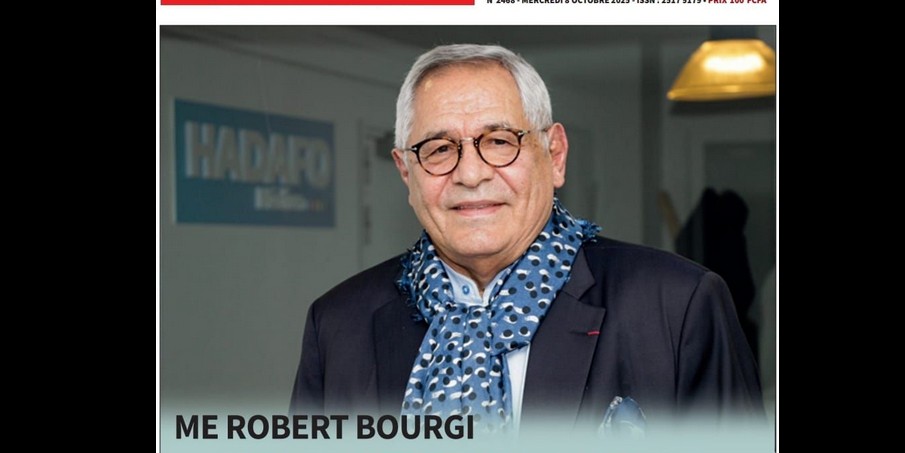
Robert Bourgi Turns on Paul Biya, Declares Him a Political Corpse
- News Team
- 10.Oct.2025
- Details
- Editorial
Heat in Maroua: What Biya’s Return Really Signals
- News Team
- 08.Oct.2025
- Details
- Editorial

Issa Tchiroma: Charles Mambo’s “Change Candidate” for Cameroon
- News Team
- 11.Sep.2025
- Details
- Editorial


