- Details
- Headlines
AU Urged to Address Cameroon's Anglophone Conflict at Critical Summit
The upcoming African Union (AU) summit, scheduled for 17-18 February, arrives at a critical juncture for the continent as millions of lives are imperiled by escalating conflicts.

Against this backdrop of turmoil, the International Crisis Group has urged the AU to prioritize addressing Cameroon’s Anglophone conflict by including it on the summit's agenda.
Across Africa, insurgencies plague nations from Mali to Mozambique, while the specter of state collapse looms large in Sudan. The struggle for power between the army and paramilitary Rapid Support Forces (RSF) in Sudan has escalated into a ferocious battle, threatening to plunge the country into further chaos. Moreover, tensions in the Horn and Great Lakes regions have raised concerns about the potential for a major interstate war, underscoring the urgency of collective action by the AU.
Despite its ambitious institutional commitments and tools for mediation and peacekeeping, the AU faces significant challenges due to limited political and financial support from member states. Nonetheless, the organization plays a crucial role in advancing African perspectives in global debates and addressing the continent's evolving peace and security challenges.
The annual summit serves as a vital platform for member states to develop strategies for tackling these pressing issues while bolstering the AU's capacity to effectively respond to crises. In its January report on the Anglophone conflict in Cameroon, the Crisis Group highlighted the dire security situation in the region.
Recent incidents, including the crash of a government aircraft near Kikaikelaki town and clashes between Anglophone separatist combatants and government forces, underscore the volatile nature of the conflict. The renewed efforts by the government to suppress separatist activities, such as the weekly general strike known as the "Monday ghost town," have heightened tensions in the region.
Moreover, separatist factions have escalated their attacks, targeting civilian populations and disrupting humanitarian operations. The decision by the Interim Government of Ambazonia to end cooperation with UN agencies further exacerbates the humanitarian crisis, putting vulnerable populations at risk.
Additionally, incidents involving Biafra separatist militants from Nigeria have further destabilized the region, underscoring the transnational nature of the conflict. These developments underscore the pressing need for concerted efforts by regional and international actors to address the root causes of the Anglophone crisis and prevent further escalation of violence.
As African leaders gather for the AU summit, they must prioritize dialogue, reconciliation, and inclusive governance to resolve conflicts and promote peace and stability on the continent. By addressing the Anglophone crisis and other pressing challenges, the AU can demonstrate its commitment to advancing the interests of African nations and safeguarding the well-being of their citizens.
- Details
- News Team
- Hits: 1267
Local News
- Details
- Society

Kribi II: Man Caught Allegedly Abusing Child
- News Team
- 14.Sep.2025
- Details
- Society

Back to School 2025/2026 – Spotlight on Bamenda & Nkambe
- News Team
- 08.Sep.2025
- Details
- Society

Cameroon 2025: From Kamto to Biya: Longue Longue’s political flip shocks supporters
- News Team
- 08.Sep.2025
- Details
- Society

Meiganga bus crash spotlights Cameroon’s road safety crisis
- News Team
- 05.Sep.2025
EditorialView all
- Details
- Editorial
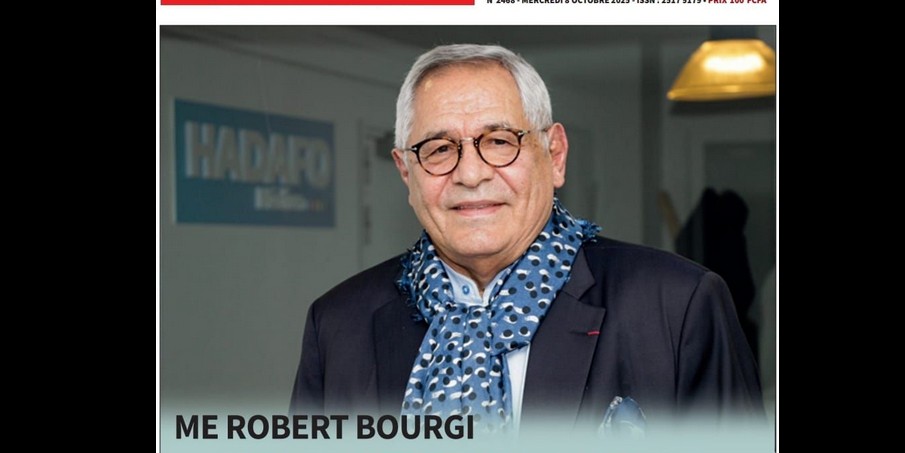
Robert Bourgi Turns on Paul Biya, Declares Him a Political Corpse
- News Team
- 10.Oct.2025
- Details
- Editorial

Heat in Maroua: What Biya’s Return Really Signals
- News Team
- 08.Oct.2025
- Details
- Editorial

Issa Tchiroma: Charles Mambo’s “Change Candidate” for Cameroon
- News Team
- 11.Sep.2025
- Details
- Editorial


