- Details
- Headlines
Bamenda, Batibo Hit by Rebel Violence Ahead of Polls
Northwest Cameroon descended into bloodshed as Ambazonia rebels enforcing a one-month lockdown ahead of presidential elections carried out attacks in Bamenda and Batibo, leaving civilians dead, maimed, and terrified.

Bamenda, the capital of Cameroon’s Northwest Region, woke up Monday to smoke, gunfire, and death. Ambazonia rebels campaigning for the restoration of the statehood of former British Southern Cameroons enforced their “Kontri Sunday” shutdown with brutal force, torching vehicles and leaving bodies on the streets.
Bamenda in Flames
At Mile 4 Nkwen, residents discovered the lifeless body of a man sprawled beside a car that had been set ablaze. Not far away in Mile 5, a motorbike was reduced to ashes. Around Sacred Heart in Mankon, a young man was gunned down in cold blood.
Video footage shows a vehicle engulfed in flames, thick black smoke pouring skyward as terrified residents watched from a distance. “Stay safe and stay home, keep Kontri Sunday holy,” declared activist Kemita Ashu in a widely circulated post, warning locals not to defy the lockdown.
The rebels had earlier announced a one-month curfew and ghost town order aimed at crippling the government’s campaign machinery and preventing the presidential election from gaining ground in the Anglophone regions.
Batibo Explosion
Even more devastating was the scene in Batibo, Momo Division. On Sunday, September 14, an improvised explosive device (IED) detonated near the public security police station, rocking a local bar where civilians were gathered.
Eyewitness footage captured horror: a man’s leg blown off, a woman in her fifties lying in blood, her two legs shredded, and desperate cries echoing through the night.
Ambazonia rebels are believed to have planted the device, intended to target police officers who frequented the bar. Instead, civilians bore the brunt, with multiple deaths and severe injuries reported.
An activist post shared by Kemita Ashu gloated over the incident: “Massive IED explosion in front of a colonial brigade in Batibo. Several people dead… #NO_ELECTIONS_IN_AMBAZONIA #RECLAIMING_OUR_TERRITORY.”
Elections as Trigger
These attacks are part of a calculated escalation tied to Cameroon’s 2025 presidential elections. For the rebels, elections organized by Yaoundé in the Anglophone regions are illegitimate, and enforcing ghost towns is their method of resistance.
In Bamenda, shops remained shuttered, streets deserted, and families cowered indoors. “We are trapped,” one trader said. “The rebels punish us if we open, and the soldiers punish us if we close. We are the ones paying the price.”
Communities in Shock
Residents of both Bamenda and Batibo are now left to bury the dead and care for the wounded. Hospitals are overwhelmed, with survivors of the IED attack needing urgent surgery. Families scour wards for missing relatives, while fear keeps many silent.
Call for Action
The Biya regime has yet to respond decisively to this new escalation. For decades, Yaoundé has relied on brute military tactics, while failing to resolve the political roots of the crisis. Meanwhile, the rebels tighten their grip on the streets, using fear and violence to enforce obedience.
As Cameroon edges closer to the 2025 polls, the North West remains under siege — its people caught between a state that cannot protect them and rebels who claim to fight for their liberation but sacrifice civilians in the process.
- Details
- News Team
- Hits: 2401
Local News
- Details
- Society

Kribi II: Man Caught Allegedly Abusing Child
- News Team
- 14.Sep.2025
- Details
- Society

Back to School 2025/2026 – Spotlight on Bamenda & Nkambe
- News Team
- 08.Sep.2025
- Details
- Society

Cameroon 2025: From Kamto to Biya: Longue Longue’s political flip shocks supporters
- News Team
- 08.Sep.2025
- Details
- Society

Meiganga bus crash spotlights Cameroon’s road safety crisis
- News Team
- 05.Sep.2025
EditorialView all
- Details
- Editorial
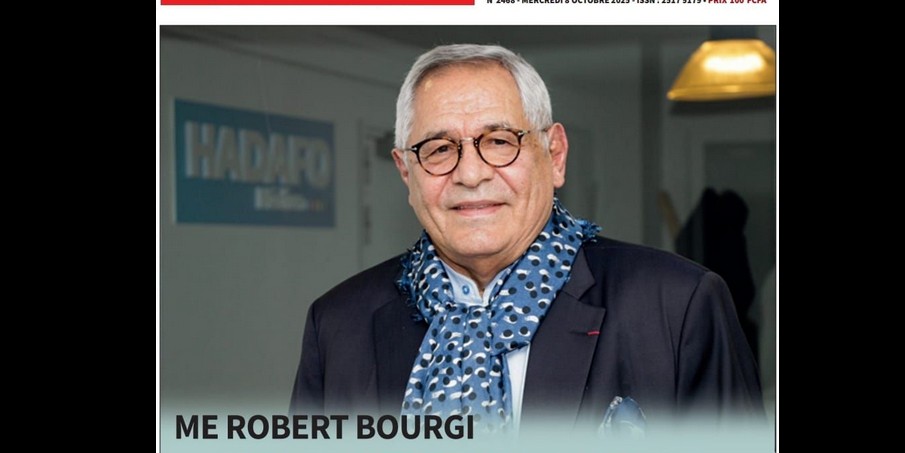
Robert Bourgi Turns on Paul Biya, Declares Him a Political Corpse
- News Team
- 10.Oct.2025
- Details
- Editorial
Heat in Maroua: What Biya’s Return Really Signals
- News Team
- 08.Oct.2025
- Details
- Editorial

Issa Tchiroma: Charles Mambo’s “Change Candidate” for Cameroon
- News Team
- 11.Sep.2025
- Details
- Editorial


