- Details
- Headlines
May 20th in Cameroon: Unity, Independence, or Day of Dissent?
The conflicting interpretations surrounding Cameroon's National Day on May 20th highlight deep divisions within the country's historical narrative and contemporary political landscape.
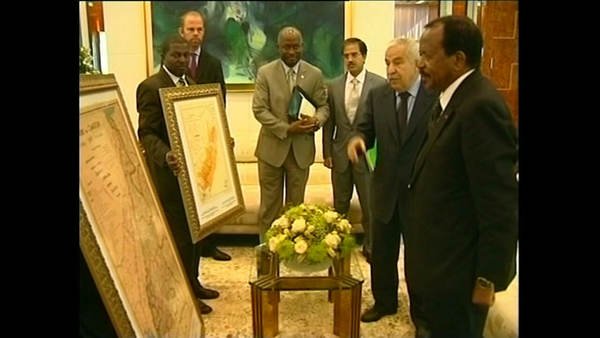
Officially, the day commemorates President Ahmadou Ahidjo's decision to abolish the federal system of government and establish a unitary state in 1972. This move symbolized Cameroon's unity under one centralized government, as emphasized by current President Paul Biya, who has been in power for over four decades.
However, dissenting voices, particularly from English-speaking regions, challenge this narrative. They view May 20th as a day marking the loss of autonomy and annexation of Southern Cameroons by the government of La Republique du Cameroun (LRC). According to activists like Abdulkarim Ali, the 1972 decision to dissolve the federation and impose a unitary state was tantamount to annexation and colonialism. They argue that Southern Cameroonians were promised autonomy under a federal system but were instead subjected to assimilation into a centralized government.
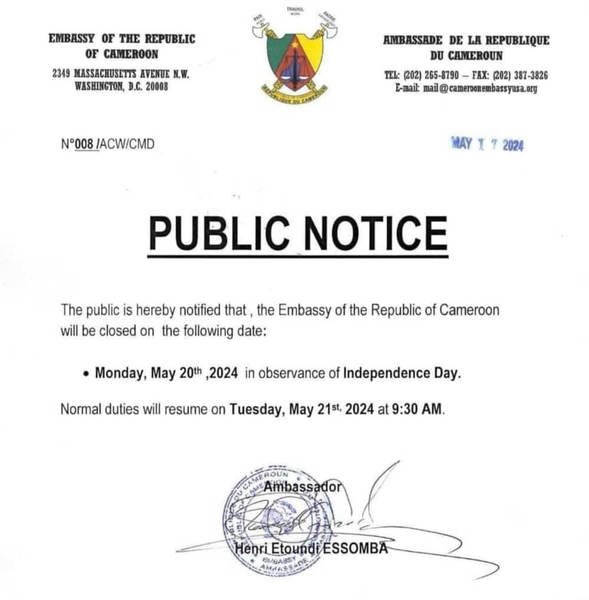
The closure of the Cameroonian embassy in Washington DC on May 20th, cited as Cameroon's Independence Day, further adds to the confusion surrounding the significance of the day. While official statements emphasize unity and national pride, dissenting voices like Abdulkarim Ali's highlight grievances and historical injustices faced by certain regions of the country.
The divergent perspectives on May 20th underscore the complex dynamics of identity, governance, and historical memory within Cameroon. As the country grapples with internal divisions and calls for greater autonomy, addressing these divergent narratives becomes essential for fostering national reconciliation and unity.
- Details
- News Team
- Hits: 3938
Local News
- Details
- Society

Kribi II: Man Caught Allegedly Abusing Child
- News Team
- 14.Sep.2025
- Details
- Society

Back to School 2025/2026 – Spotlight on Bamenda & Nkambe
- News Team
- 08.Sep.2025
- Details
- Society

Cameroon 2025: From Kamto to Biya: Longue Longue’s political flip shocks supporters
- News Team
- 08.Sep.2025
- Details
- Society

Meiganga bus crash spotlights Cameroon’s road safety crisis
- News Team
- 05.Sep.2025
EditorialView all
- Details
- Editorial
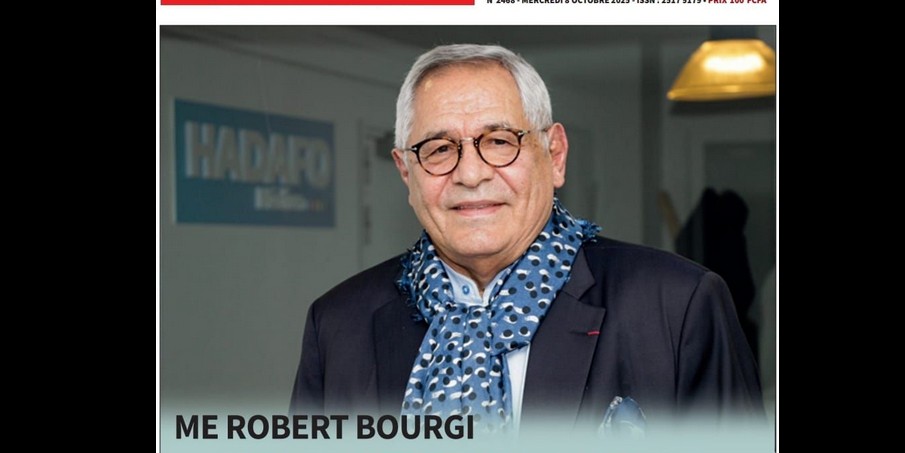
Robert Bourgi Turns on Paul Biya, Declares Him a Political Corpse
- News Team
- 10.Oct.2025
- Details
- Editorial

Heat in Maroua: What Biya’s Return Really Signals
- News Team
- 08.Oct.2025
- Details
- Editorial

Issa Tchiroma: Charles Mambo’s “Change Candidate” for Cameroon
- News Team
- 11.Sep.2025
- Details
- Editorial


