- Details
- Headlines
Nigeria Paralyzed as Labor Unions Strike Over Cost of Living Crisis
Nigeria, Africa’s most populous nation, ground to a standstill on Monday as the country’s largest labor unions initiated a strike demanding substantial salary increases amidst the most severe cost of living crisis in decades. The strike has led to widespread disruptions, including electricity cuts and the closure of major airports.
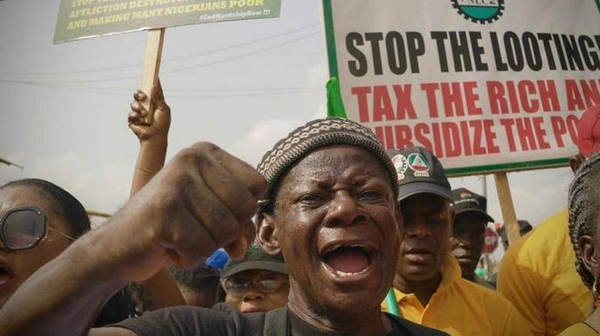
President Bola Tinubu's economic reforms, notably the termination of fuel subsidies, have propelled inflation to its highest level in 28 years, exacerbating the financial strain on millions of Nigerians.
National Grid Shutdown
Workers took drastic action by shutting down the national electricity grid and expelling operators from a crucial transmission station, as reported by the Transmission Company of Nigeria. Efforts to restore power were thwarted as additional workers were blocked from entering the facility.
Public Sector Paralysis
Government workers, adhering to the strike, either abstained from work or obstructed entrances to offices, significantly affecting operations at airports in both the capital city of Abuja and the economic hub of Lagos. The aviation workers’ association instructed all members to "stay away until further notice."
Union Demands
The Nigerian Labour Congress (NLC) and the Trade Union Congress (TUC), representing hundreds of thousands of government workers across vital sectors, have been vocal about their grievances. "We demand a living wage," the NLC stated on X (formerly Twitter), condemning their current earnings as a “starvation wage.” The unions are advocating for an increase in the minimum monthly wage from 30,000 naira ($20) to nearly 500,000 naira ($336), while the government has proposed a more modest increase to 60,000 naira ($40).
Economic Implications
The unions’ demand, if met, would escalate the government’s wage bill by 9.5 trillion naira ($6.3 billion), which, according to Information Minister Mohammed Idris, could "destabilize the economy."
Economic Reforms and Inflation
The economic turmoil was triggered by President Tinubu’s decision to end the long-standing but financially burdensome fuel subsidies on his first day in office in May of the previous year. This move led to the doubling of gas prices in Nigeria, one of Africa's leading oil producers, subsequently driving up costs for public transport and essential goods.
Additionally, the government's devaluation of the naira currency, aimed at attracting foreign investment, has further inflated the prices of basic commodities in the import-reliant nation of over 210 million people.
Public Sentiment and Future Outlook
As the strike progresses, the nation watches closely to see how the government will navigate this crisis. The labor unions' firm stance underscores the desperation and frustration of a populace grappling with escalating living costs and stagnant wages.
In the meantime, the shutdown continues to affect everyday life, highlighting the urgent need for a resolution that balances economic stability with the welfare of Nigeria’s workforce.
Stay Tuned
Further developments will be covered in our subsequent reports. Stay informed with our live updates and in-depth analysis.
- Details
- News Team
- Hits: 1281
Local News
- Details
- Society

Kribi II: Man Caught Allegedly Abusing Child
- News Team
- 14.Sep.2025
- Details
- Society

Back to School 2025/2026 – Spotlight on Bamenda & Nkambe
- News Team
- 08.Sep.2025
- Details
- Society

Cameroon 2025: From Kamto to Biya: Longue Longue’s political flip shocks supporters
- News Team
- 08.Sep.2025
- Details
- Society

Meiganga bus crash spotlights Cameroon’s road safety crisis
- News Team
- 05.Sep.2025
EditorialView all
- Details
- Editorial
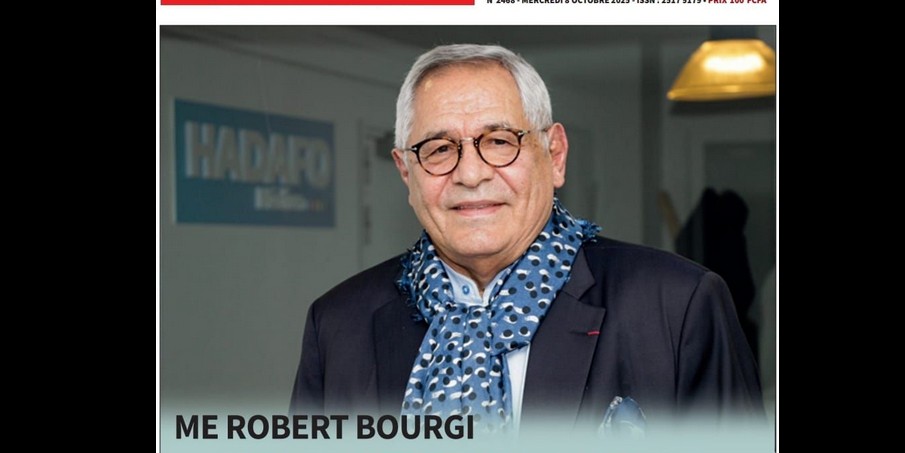
Robert Bourgi Turns on Paul Biya, Declares Him a Political Corpse
- News Team
- 10.Oct.2025
- Details
- Editorial

Heat in Maroua: What Biya’s Return Really Signals
- News Team
- 08.Oct.2025
- Details
- Editorial

Issa Tchiroma: Charles Mambo’s “Change Candidate” for Cameroon
- News Team
- 11.Sep.2025
- Details
- Editorial


