The video has revived a heated debate over freedom of expression and human rights in the country, with calls for accountability growing louder.
Background of the Incident
Longue Longue, often called the "Ambassador of Social Causes," has been a persistent critic of the Cameroonian government, particularly following the contentious 2018 presidential elections. In that election, he openly supported opposition candidate Maurice Kamto, alleging that Kamto was the rightful winner. These public criticisms reportedly led to Longue Longue’s arrest and mistreatment in 2019.
Fast forward five years, and the video has resurfaced, sparking outrage. Many public figures, including fellow musicians and politicians, have condemned the brutality. Prominent voices such as Lady Ponce, Kareyce Fotso, and Maurice Kamto have spoken out, demanding justice and accountability. The video’s release has also reignited discussions about freedom of expression, human rights violations, and the risks faced by government critics.
Details of the Alleged Abuse
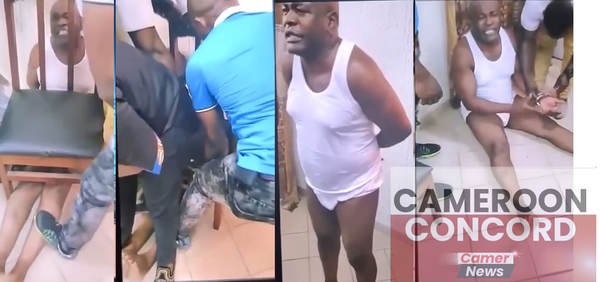
Images of the torture of the artist LONGUE LONGUE by soldiers in Cameroon.A soldier without ideological training is a potential criminal, especially in the service of a dictatorship.
Reports indicate that Longue Longue was arrested at the Sawa Hotel in Douala and taken to military security offices, known as SEMIL, where he endured severe physical abuse. He described being beaten with a machete and facing brutal treatment that nearly left him dead. Despite his ordeal, Longue Longue has continued to be a vocal critic of the government through his music and public appearances.
The recent release of the video, reportedly by someone involved in the incident, has brought renewed attention to the case. Specific individuals, such as Frigate Captain Bernard Mbu Tabala, are alleged to have been involved, but no official charges have been filed. Many critics argue that the incident illustrates a wider pattern of intimidation and suppression of dissent by the Cameroonian government.
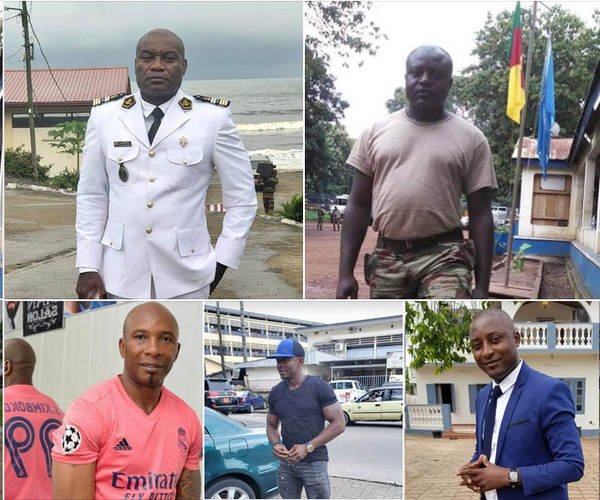
Here are the photos and names of the different torturers of Longue Longue, led by Frigate Captain Bernard Mbu Tabala, dressed in a white military uniform.
- Frigate Captain Bernard Mbu Tabala
- Warrant Officer Musa, Tabala's right-hand man, the one who held the machete
- Stéphane, a dismissed soldier recruited by Tabala to do the dirty work
- Chief Warrant Officer Dibango, alias Eloka, the man who tortures with a machete
- Warrant Officer Arsène Fouda, the man in the floral blue shirt in the video who sits on the chair to pin down Longue Longue
- Warrant Officer Charly Kiek, Tabala’s secretary
- Alfred Njallè, a civilian informant recruited by Tabala for support and dirty work
- Warrant Officer Kamto Alain
- Vandamme P, a civilian and informant also recruited by Tabala for the dirty work
- Warrant Officer Fonkeu Alain
- Warrant Officer Leonel Nanfack Kana
- Sergeant Major Moctar Mohamadou
- Warrant Officer Nandji
Watch video here: https://t.me/cameroonconcord/8
Public Reaction
The video has triggered a strong response from various sectors of society:
- Artists and Celebrities: Fellow musicians and public figures have reacted with outrage. Lady Ponce condemned the violence, urging solidarity beyond political and tribal divides, while Kareyce Fotso called the brutality "incomprehensible."
- Political Leaders: Opposition figures like Maurice Kamto and Cabral Libii have demanded investigations. Kamto described the torture as "state-sponsored brutality," while Akere Muna, another opposition leader, highlighted the incident as emblematic of broader human rights abuses in Cameroon.
- Public Outcry: Citizens have voiced shock and concern, noting that if a public figure like Longue Longue can face such treatment, ordinary citizens might be even more vulnerable. The incident has raised questions about the unchecked power of security forces and their role in stifling dissent.
Government Response
As of now, President Paul Biya’s administration has not issued an official response to the resurfaced video. The incident adds to existing tensions over freedom of expression and the use of force by state security. Human rights organizations are calling for an independent investigation, emphasizing that this case is part of a broader pattern of alleged abuses by security personnel under Biya's nearly 40-year rule.
Human Rights Implications
The resurfacing of this video has intensified calls for reform and stronger human rights protections in Cameroon. Human rights advocates are demanding transparency and accountability, pushing for a safer environment where freedom of expression is respected. Many see Longue Longue’s case as a symbol of the broader struggles that artists, activists, and opposition figures face in Cameroon.
Conclusion
Longue Longue's ordeal highlights the ongoing battle between state power and freedom of expression in Cameroon. The video’s release has sparked a renewed debate about human rights, justice, and the rule of law in the country. While pressure mounts on the government to address these allegations, skepticism remains about whether meaningful changes will occur, given the deeply rooted power structures and long-standing accusations of abuses under the current administration.
The case has not only deepened political divisions but also prompted a broader conversation about the future of governance in Cameroon. It has led many to question what reforms are necessary to create a more democratic and just society where dissenting voices are not met with violence.