- Details
- Headlines
Samuel Eto'o's Stand: Upholding Governance in Cameroonian Football
In the recent controversy surrounding the appointment of the new head coach for Cameroon's national football team, Marc Brys, a critical question emerges: Who has the authority to make such appointments in Cameroon?

According to Decree No. 2014/384 of September 26, 2014, which governs the organization and operation of national football teams, Fecafoot, the Cameroonian Football Federation, holds the responsibility for such appointments. However, the Ministry of Sports has sidestepped Fecafoot's authority and unilaterally appointed Brys, leading to a clash between the two entities and raising concerns about compliance with FIFA regulations.
FIFA strictly prohibits government interference in football matters on a national basis. This principle is enshrined in FIFA's statutes and regulations to ensure the autonomy and independence of football associations worldwide. By bypassing Fecafoot and directly appointing the national team coach, the Ministry of Sports risks violating FIFA's regulations, potentially leading to sanctions or suspension for Cameroon's football association.
Moreover, the dispute between Fecafoot and the Ministry of Sports underscores broader governance issues within Cameroonian football. It highlights the need for clear delineation of responsibilities and adherence to established procedures to avoid conflicts of interest and maintain transparency and accountability in football administration.
Samuel Eto'o, the president of Fecafoot, has rightfully raised objections to the Ministry of Sports' actions, emphasizing Fecafoot's mandate under the existing decree. In his letter to the Minister of Sports, Eto'o asserts Fecafoot's authority in the recruitment process and calls for compliance with the legal framework governing football appointments in Cameroon.
The refusal of Fecafoot to recognize the appointments made by the Ministry of Sports reflects a commitment to upholding the rule of law and preserving the integrity of football governance in Cameroon. It sends a strong message that adherence to legal and regulatory provisions is non-negotiable and that any deviation from established procedures will not be tolerated.
Moving forward, it is imperative for all stakeholders, including Fecafoot, the Ministry of Sports, and FIFA, to engage in dialogue to resolve the current dispute and prevent future conflicts. Collaboration and cooperation are essential to ensure that football governance in Cameroon operates in accordance with international standards and safeguards the interests of the sport and its stakeholders.
In conclusion, the dispute over the appointment of the national team coach in Cameroon highlights the importance of respecting institutional autonomy and adhering to established procedures in football administration. Fecafoot's role as the governing body for Cameroonian football must be respected, and any decisions regarding national team appointments should be made in accordance with the law and FIFA regulations.
- Details
- News Team
- Hits: 2148
Local News
- Details
- Society

Kribi II: Man Caught Allegedly Abusing Child
- News Team
- 14.Sep.2025
- Details
- Society

Back to School 2025/2026 – Spotlight on Bamenda & Nkambe
- News Team
- 08.Sep.2025
- Details
- Society

Cameroon 2025: From Kamto to Biya: Longue Longue’s political flip shocks supporters
- News Team
- 08.Sep.2025
- Details
- Society

Meiganga bus crash spotlights Cameroon’s road safety crisis
- News Team
- 05.Sep.2025
EditorialView all
- Details
- Editorial
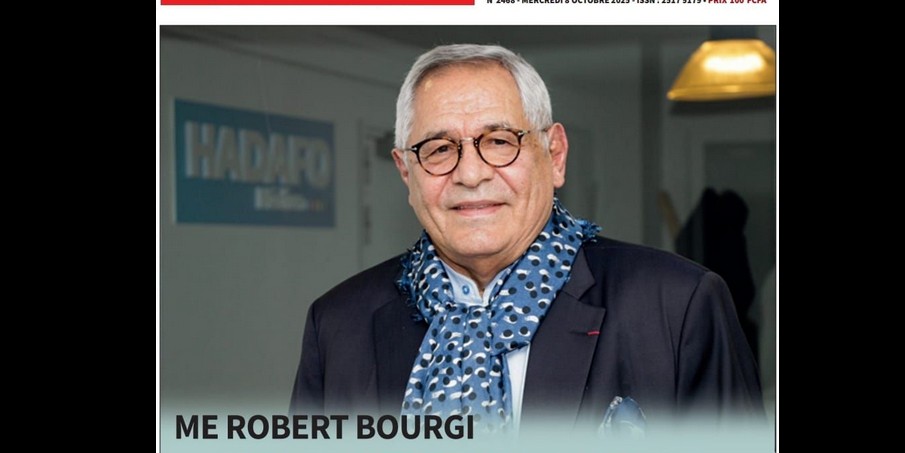
Robert Bourgi Turns on Paul Biya, Declares Him a Political Corpse
- News Team
- 10.Oct.2025
- Details
- Editorial
Heat in Maroua: What Biya’s Return Really Signals
- News Team
- 08.Oct.2025
- Details
- Editorial

Issa Tchiroma: Charles Mambo’s “Change Candidate” for Cameroon
- News Team
- 11.Sep.2025
- Details
- Editorial


