- Details
- Headlines
Senegal Presidential Election 2024: A Nation at the Crossroads
Senegalese citizens turned out in large numbers on Sunday to participate in a closely contested presidential election, signaling a crucial moment for the nation following months of uncertainty and unrest.
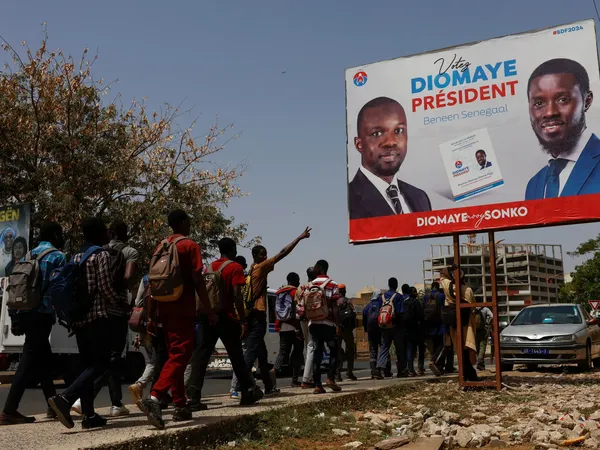
The West African nation, known for its reputation as a stable democracy in a region marked by political instability, faces a pivotal decision in determining its future leadership.
President Macky Sall's failed attempt to postpone the February 25th election until the end of the year ignited violent protests, underscoring the tensions surrounding the political landscape. Sall, constitutionally barred from seeking a third term, has set the stage for a significant transition in Senegalese politics.
The election coincides with Ramadan, a period of fasting observed by devout Muslims, adding a spiritual dimension to the electoral process. Despite the challenges posed by the fasting month, voters lined up outside polling stations in the early hours, demonstrating their commitment to shaping the nation's future.
The release of opposition leader Ousmane Sonko from prison injected renewed energy into the electoral arena, galvanizing supporters and igniting hopes for change. Sonko's backing of ally Bassirou Diomaye Faye further intensified the political landscape, offering voters a diverse array of choices.
Economic concerns, including high food and energy prices exacerbated by global conflicts, loom large in the minds of Senegalese voters. With a significant portion of the youth population facing unemployment, the need for economic reform and job creation weighs heavily on the electorate.
Senegal's history of democratic transitions stands in stark contrast to neighboring countries grappling with military coups and political instability. However, the lead-up to this election has been marred by violence and unrest, highlighting the challenges inherent in the democratic process.
With 19 candidates vying for the presidency, including one woman, the election represents a diverse range of voices and perspectives. The potential for a runoff election looms large, with analysts predicting a fragmented outcome that may require coalition-building to secure victory.
In towns like Fatick, voters braved long lines and security measures to cast their ballots, underscoring the significance of their civic duty. As the nation awaits the election results, Senegal stands at a crossroads, poised to chart its course amidst a changing political landscape and the aspirations of its people.
- Details
- News Team
- Hits: 1342
Local News
- Details
- Society

Kribi II: Man Caught Allegedly Abusing Child
- News Team
- 14.Sep.2025
- Details
- Society

Back to School 2025/2026 – Spotlight on Bamenda & Nkambe
- News Team
- 08.Sep.2025
- Details
- Society

Cameroon 2025: From Kamto to Biya: Longue Longue’s political flip shocks supporters
- News Team
- 08.Sep.2025
- Details
- Society

Meiganga bus crash spotlights Cameroon’s road safety crisis
- News Team
- 05.Sep.2025
EditorialView all
- Details
- Editorial
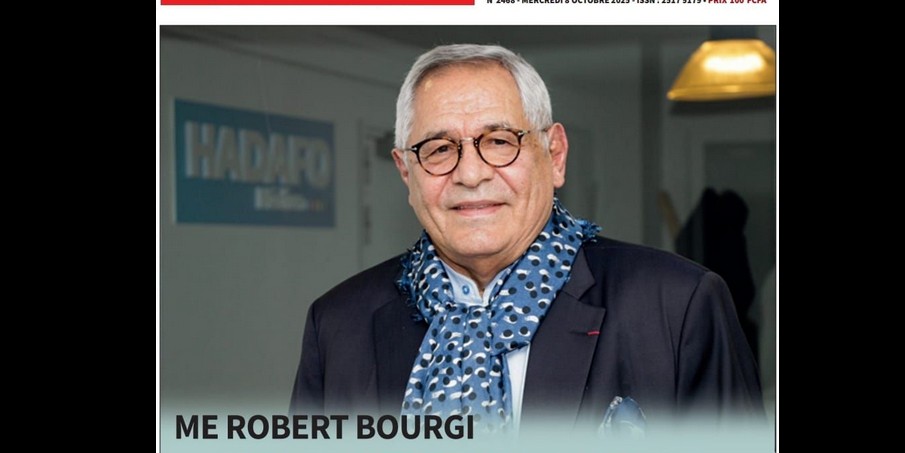
Robert Bourgi Turns on Paul Biya, Declares Him a Political Corpse
- News Team
- 10.Oct.2025
- Details
- Editorial
Heat in Maroua: What Biya’s Return Really Signals
- News Team
- 08.Oct.2025
- Details
- Editorial

Issa Tchiroma: Charles Mambo’s “Change Candidate” for Cameroon
- News Team
- 11.Sep.2025
- Details
- Editorial


