- Details
- Headlines
Senegal's Electoral Turmoil: Postponed Elections, Celebrations, and a Nation at a Crossroads
Senegal, long celebrated for its strong tradition of democracy and peaceful transitions, finds itself at a critical juncture as President Macky Sall's decision to postpone the presidential elections has sparked a flurry of reactions and raised concerns about the country's political stability.
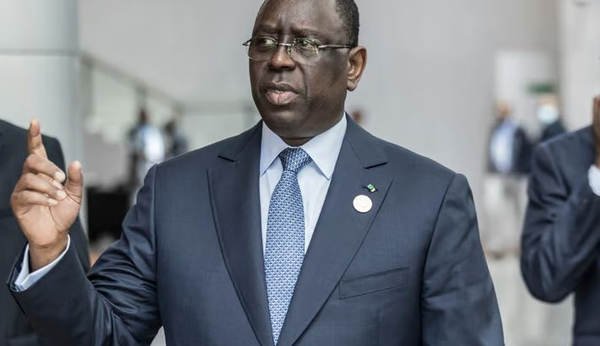
The postponement, welcomed by the former ruling Democratic Party and its candidate Karim Wade, has brought about contrasting sentiments within the nation. Supporters were seen celebrating what they perceive as a just decision, attributing it to the need for the inclusion of their candidate, Abdou Karim Meïssa Wade, whom they deem as the only viable alternative for the country's emergence.
Franck Daddy Diatta, a youth leader of Jeunesse Liberale, expressed, "We magnify this decision because it is a decision that renders justice. We magnify this decision by the President of the Republic to postpone the elections because we could not organize these elections without brother Abdou Karim Meïssa Wade."
However, not all voices share this sentiment. Opposition figures, including presidential candidates Thierno Alassane Sall, Khalifa Sall, and Déthié Fall, rejected President Macky Sall's decision, vowing to proceed with their campaigns. This divergence in opinion highlights the deep-seated divisions within Senegal's political landscape.
President Sall cited a dispute between the judiciary and federal lawmakers over the disqualification process and the reported dual nationality of some qualified candidates as the reason for the election postponement. The accusations of corruption by the former ruling party against the Constitutional Council further add a layer of complexity to the unfolding political crisis.
The call by West Africa’s regional bloc, ECOWAS, for dialogue to resolve the crisis underscores the gravity of the situation. Senegalese politicians are urged to prioritize dialogue and collaboration for transparent, inclusive, and credible elections. The eyes of the international community, including the U.S. Department of State, are on Senegal, emphasizing the need for peaceful engagement and a swift resolution to set a new election date.
As Senegal grapples with these challenges, it faces a test of its democratic resilience. The stability and reputation of one of Africa's most stable democracies are on the line, especially at a time when the region contends with a surge in coups. The postponement of the elections, clashes involving opposition supporters, and the disqualification of key figures underscore the urgency of finding a peaceful and inclusive solution to steer Senegal back on track towards democratic prosperity.
In conclusion, Senegal's political crisis demands not only a recalibration of electoral processes but also a commitment to dialogue, transparency, and inclusivity. Navigating these testing waters requires the collective efforts of all stakeholders to safeguard the nation's democratic legacy and ensure a fair and credible electoral process in the coming days.
- Details
- News Team
- Hits: 1012
Local News
- Details
- Society

Kribi II: Man Caught Allegedly Abusing Child
- News Team
- 14.Sep.2025
- Details
- Society

Back to School 2025/2026 – Spotlight on Bamenda & Nkambe
- News Team
- 08.Sep.2025
- Details
- Society

Cameroon 2025: From Kamto to Biya: Longue Longue’s political flip shocks supporters
- News Team
- 08.Sep.2025
- Details
- Society

Meiganga bus crash spotlights Cameroon’s road safety crisis
- News Team
- 05.Sep.2025
EditorialView all
- Details
- Editorial
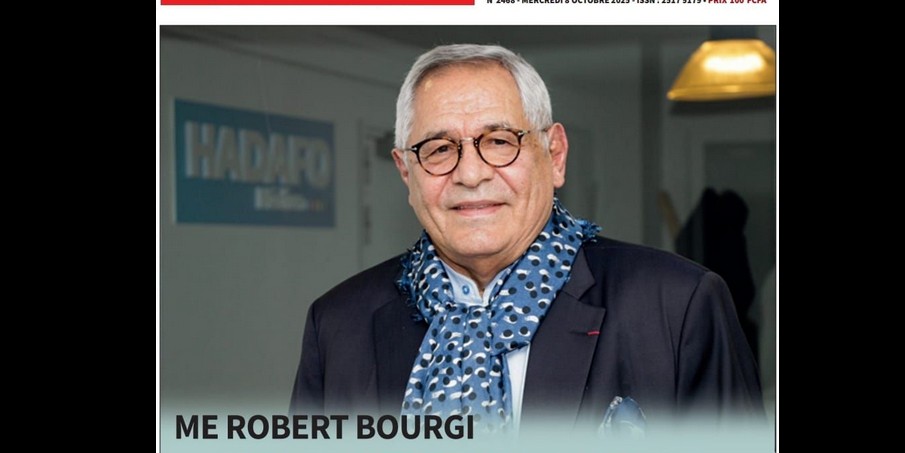
Robert Bourgi Turns on Paul Biya, Declares Him a Political Corpse
- News Team
- 10.Oct.2025
- Details
- Editorial
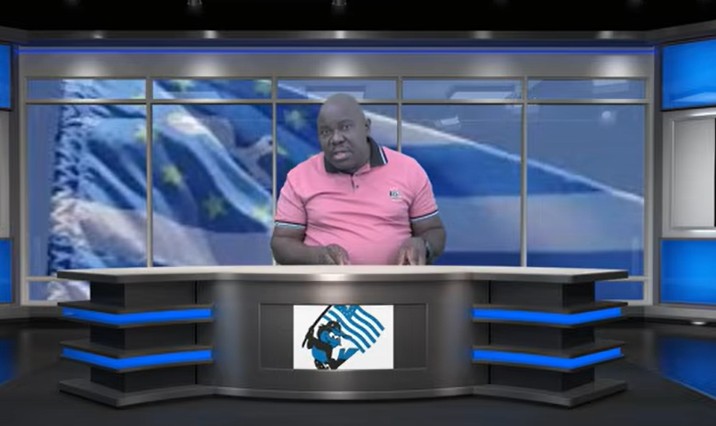
Heat in Maroua: What Biya’s Return Really Signals
- News Team
- 08.Oct.2025
- Details
- Editorial

Issa Tchiroma: Charles Mambo’s “Change Candidate” for Cameroon
- News Team
- 11.Sep.2025
- Details
- Editorial


