- Details
- Headlines
Tensions Rise in Bamenda Over Ambazonian Taxi Color Mandate
In Bamenda, the troubled heart of Cameroon's Anglophone regions, tension escalates as taxi drivers and residents navigate a new directive from the Ambazonian separatists. The rebel group, led by the notorious Norway-based leader Lucas Ayaba Cho,
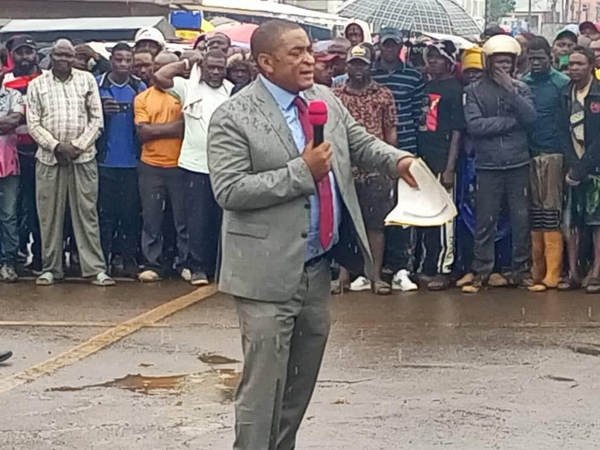
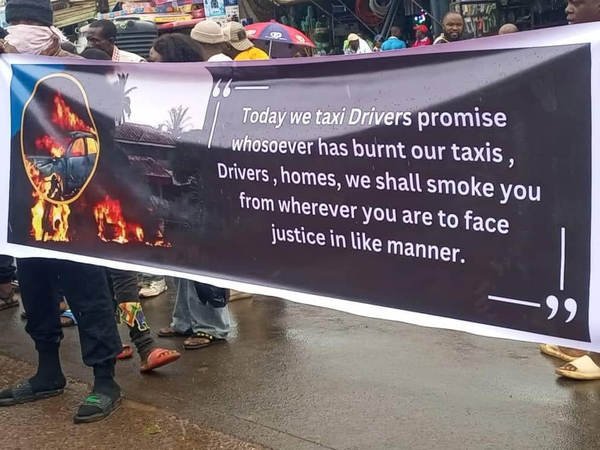
has mandated that all taxis change their colors from yellow to blue and white, reflecting the colors of the self-declared Republic of Ambazonia. This directive has sparked significant unrest and resistance among the taxi drivers and broader community, culminating in a dramatic rally organized by the Bamenda City Council Mayor.
#### A Call to Arms
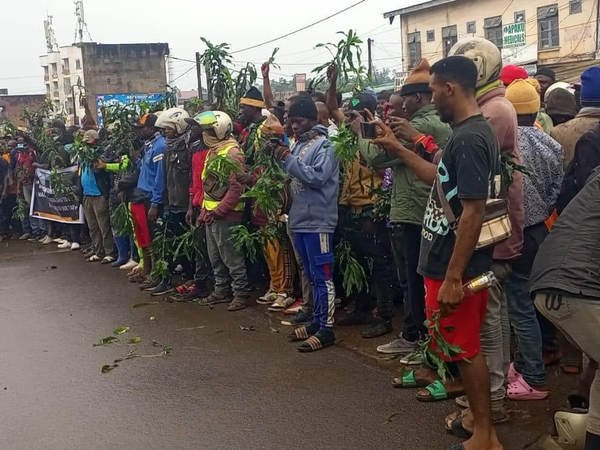
During the rally, a small group of taxi drivers, brandishing tree branches as symbols of their plight, declared a war against Lucas Ayaba Cho. They denounced him as the public enemy number one, attributing much of their suffering and the ongoing strife to his unyielding stance. The rally underscored the growing frustration among residents who are caught between the separatist forces and the Cameroonian government.
#### The Broader Conflict
The struggle for the independence of Ambazonia, comprising the North-West and South-West regions of Cameroon, has been marked by intense violence and a deepening humanitarian crisis. The conflict, which began in earnest around 2016, has resulted in the deaths of an estimated 4,000 to 6,000 people, with hundreds of thousands more displaced. Civilians, especially public service personnel and traditional leaders, find themselves targeted by both sides in this brutal conflict.
Education has been a major casualty. Schools have been closed by separatists to enforce their political demands, and attacks on teachers and students have been reported, exacerbating the region's suffering.
#### Historical Context
The roots of this conflict lie in the colonial past of Cameroon. After World War I, German Kamerun was divided between the French and British Empires. British Cameroon, which gained independence later than French Cameroon, opted to join the latter to form a federal nation. However, the dissolution of the federal government shortly after has led many in the Anglophone regions to feel marginalized, fueling the current secessionist movement.
#### Ambazonian Directives and Reactions
The directive to change taxi colors is part of a broader strategy by Ambazonian leaders to assert control and signal resistance against the Cameroonian government. On social media, the Ambazonian Defense Forces (ADF) justified the color change as a "strategic resistance move," drawing parallels to resistance tactics seen in other global conflicts.
However, this move has not been universally accepted even within the Ambazonian leadership. Prominent figures like Mark Bareta have openly criticized the policy, calling it impractical and damaging to the revolution's credibility. He condemned the burning of a taxi as a misguided act of resistance, highlighting the deepening rifts within the separatist movement.
Conversely, other activists like Tapang Ivo have defended the policy, arguing that it is a necessary step to distinguish the Ambazonian struggle and weaken the Cameroonian government's control. They insist that adherence to such policies is essential for maintaining the momentum of the resistance.
#### The Way Forward
The ongoing crisis shows no signs of abating. Despite some efforts at negotiation, the Cameroonian government and separatist militias remain entrenched in a combative approach. This latest conflict over taxi colors symbolizes the broader struggle for control and the deep divisions within the movement itself.
For any meaningful resolution, leaders on both sides must prioritize dialogue over violence. The people of the Anglophone regions, who have borne the brunt of this conflict, desperately need a peaceful resolution. The continued militarization and punitive measures will only deepen the crisis and prolong the suffering.
As Bamenda and the rest of the Anglophone regions grapple with these challenges, the international community's attention and intervention may also be crucial in steering the conflict towards a peaceful resolution. Without a concerted effort to address the root causes and grievances, the cycle of violence and retribution is likely to continue.
- Details
- News Team
- Hits: 7355
Local News
- Details
- Society

Kribi II: Man Caught Allegedly Abusing Child
- News Team
- 14.Sep.2025
- Details
- Society

Back to School 2025/2026 – Spotlight on Bamenda & Nkambe
- News Team
- 08.Sep.2025
- Details
- Society

Cameroon 2025: From Kamto to Biya: Longue Longue’s political flip shocks supporters
- News Team
- 08.Sep.2025
- Details
- Society

Meiganga bus crash spotlights Cameroon’s road safety crisis
- News Team
- 05.Sep.2025
EditorialView all
- Details
- Editorial
Robert Bourgi Turns on Paul Biya, Declares Him a Political Corpse
- News Team
- 10.Oct.2025
- Details
- Editorial

Heat in Maroua: What Biya’s Return Really Signals
- News Team
- 08.Oct.2025
- Details
- Editorial

Issa Tchiroma: Charles Mambo’s “Change Candidate” for Cameroon
- News Team
- 11.Sep.2025
- Details
- Editorial


