- Details
- Headlines
. The Governance Saga: Eto’o’s FECAFOOT and State Control Showdown
In the recent unfolding drama within Cameroon's Football Federation (FECAFOOT), the turbulent relationship between FECAFOOT
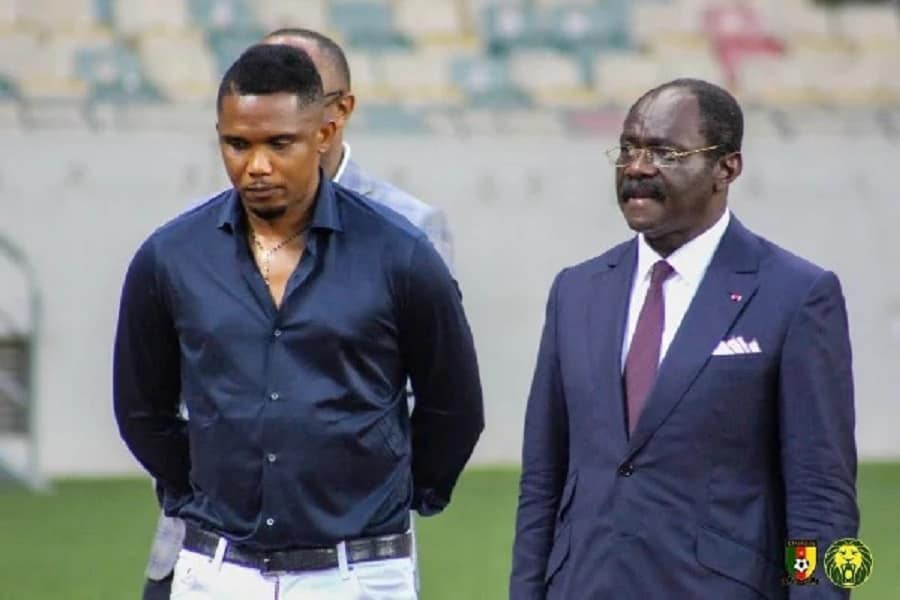
President Samuel Eto'o and the Cameroonian state has laid bare significant governance challenges and leadership struggles that threaten the integrity of the nation’s football administration.
The crux of the issue lies in the deeply entrenched conflict between FECAFOOT and the Ministry of Sports. The friction reached a climax on May 29, 2024, when Samuel Eto'o, amidst escalating tension, chose to send a representative to a crucial meeting called by Minister of Sports Narcisse Kombi Mouelle, instead of attending himself. This defiance prompted a stark ultimatum from the Director General of National Security, Mbarga Nguele, who confronted Eto'o with two choices: submit to state authority or face severe repercussions.
This confrontation not only underscores the profound disconnect between FECAFOOT and governmental oversight but also highlights the broader issue of autonomy versus state control in sports governance. Eto'o's tenure has been marked by bold attempts to assert FECAFOOT’s independence, often clashing with established protocols and state directives. His recent actions, including the controversial dismissal of Belgian coach Marc Brys and the subsequent forced resignation of interim coaches Martin Ndtoungou Mpile and David Pagou, illustrate a pattern of unilateral decision-making that has ruffled many feathers in the Cameroonian sports hierarchy.
The stakes were further elevated when state security forces intervened, compelling Ndtoungou Mpile and Pagou to resign under duress. This dramatic move, involving threats of legal repercussions, reveals the lengths to which the state is willing to go to reassert control over FECAFOOT. The subsequent reinstatement of Brys and his team, following intense negotiations and apologies from Eto'o, signifies a temporary truce but leaves the underlying issues unresolved.
At the heart of this conflict is a struggle for power and control. Eto'o’s efforts to reform and rejuvenate Cameroonian football are commendable, but his approach has often been seen as confrontational and autocratic. His vision of a revitalized FECAFOOT, driven by transparency and modern governance, clashes with the state's desire to maintain a tight grip on national sports institutions. This tug-of-war has led to a series of public confrontations, each exposing the vulnerabilities and inefficiencies within both FECAFOOT and the Ministry of Sports.
The implications of this ongoing saga are far-reaching. For Cameroonian football, the constant upheaval disrupts team preparations and undermines morale. The national team’s performance, crucial for international reputation and local pride, risks being compromised by these administrative battles. Moreover, the involvement of the Directorate General for External Research (DGRE) in enforcing state decisions sets a worrying precedent for the use of security forces in sports administration, potentially stifling independent governance and innovation within FECAFOOT.
To navigate this crisis, a few solutions emerge. First, a clear delineation of roles and responsibilities between FECAFOOT and the Ministry of Sports is essential. Establishing a framework that respects the autonomy of FECAFOOT while ensuring accountability to state regulations could help mitigate conflicts. Second, fostering dialogue and collaboration rather than confrontation is crucial. Both Eto'o and state officials need to engage in constructive negotiations, focusing on shared goals rather than individual power.
Additionally, enhancing transparency and stakeholder involvement within FECAFOOT can build trust and legitimacy. Eto'o’s leadership, while dynamic, must be inclusive, accommodating diverse perspectives within the football community. Implementing robust checks and balances can prevent unilateral decisions and promote a more democratic governance structure.
Ultimately, the saga at FECAFOOT reflects broader challenges in Cameroonian governance and leadership. It is a test of whether institutional reforms can coexist with state control, and whether visionary leaders like Eto'o can navigate the complex interplay of power, politics, and sports to drive meaningful change. The outcome will not only shape the future of Cameroonian football but also serve as a case study in the evolving dynamics of sports governance in Africa.
- Details
- News Team
- Hits: 1741
Local News
- Details
- Society

Kribi II: Man Caught Allegedly Abusing Child
- News Team
- 14.Sep.2025
- Details
- Society

Back to School 2025/2026 – Spotlight on Bamenda & Nkambe
- News Team
- 08.Sep.2025
- Details
- Society

Cameroon 2025: From Kamto to Biya: Longue Longue’s political flip shocks supporters
- News Team
- 08.Sep.2025
- Details
- Society

Meiganga bus crash spotlights Cameroon’s road safety crisis
- News Team
- 05.Sep.2025
EditorialView all
- Details
- Editorial
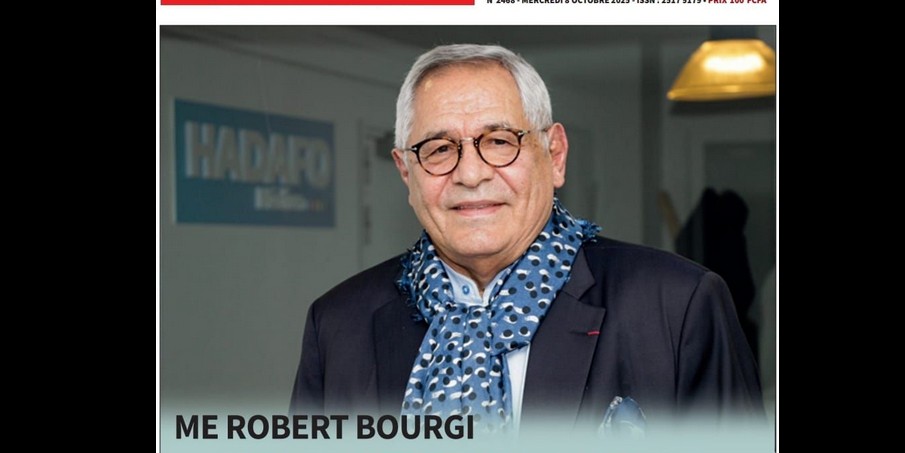
Robert Bourgi Turns on Paul Biya, Declares Him a Political Corpse
- News Team
- 10.Oct.2025
- Details
- Editorial
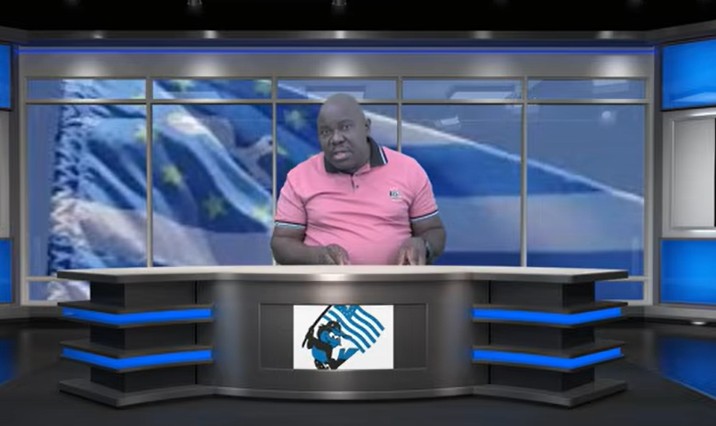
Heat in Maroua: What Biya’s Return Really Signals
- News Team
- 08.Oct.2025
- Details
- Editorial

Issa Tchiroma: Charles Mambo’s “Change Candidate” for Cameroon
- News Team
- 11.Sep.2025
- Details
- Editorial


