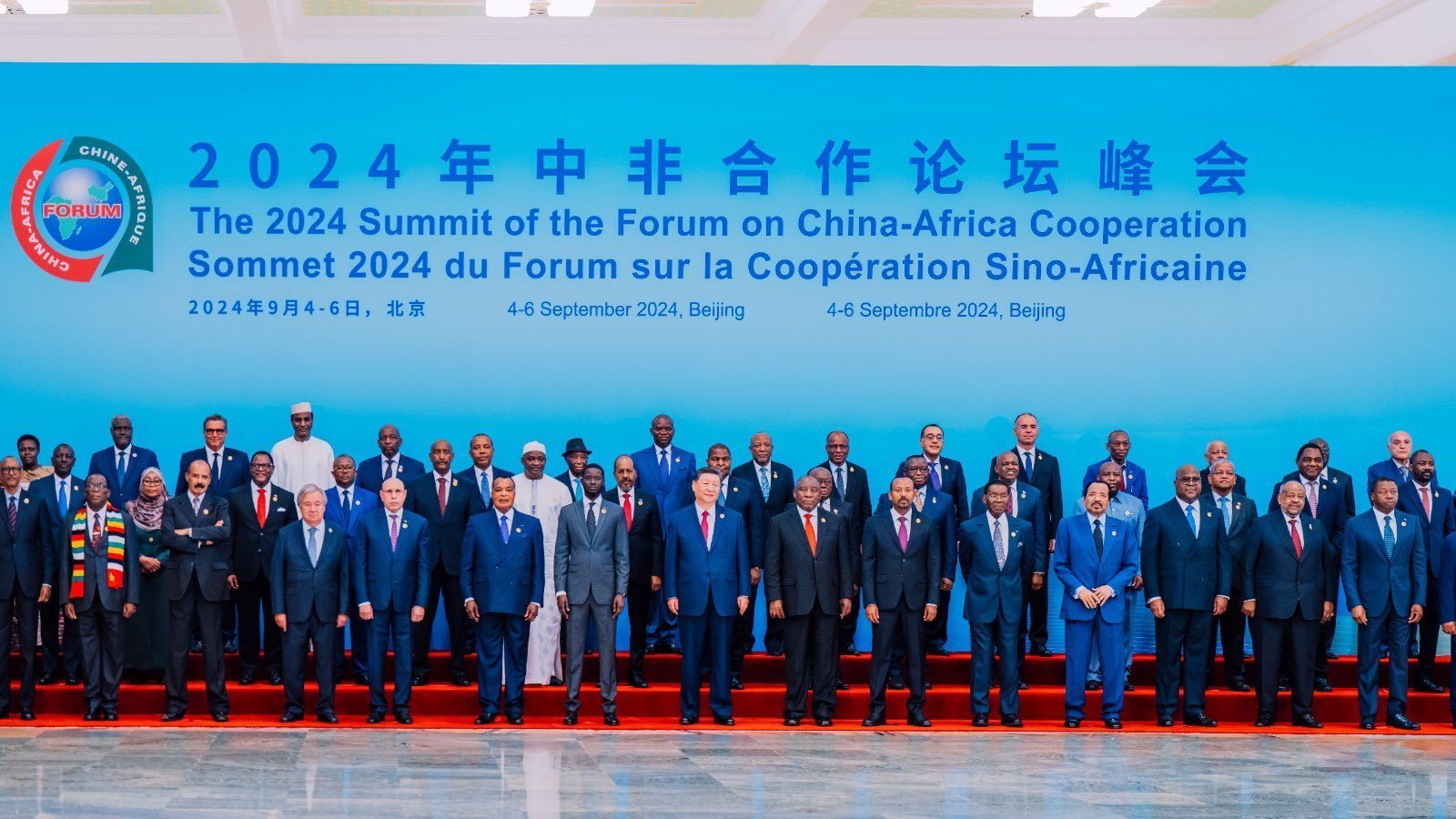
The forum, which began on Wednesday, underscores the growing ties between China and African nations—a relationship that Chinese President Xi Jinping aims to elevate to a "strategic" level.
In his address on Thursday, Xi proposed a significant upgrade in China-Africa relations, urging that diplomatic ties with African nations should be elevated. “China will voluntarily and unilaterally open its market wider. We have decided to give all Least Developed Countries having diplomatic relations with China, including 33 countries in Africa, zero-tariff treatment for 100 percent tariff lines,” Xi declared, signaling China's intent to strengthen economic ties.
A Growing Partnership
Since the inception of the China-Africa Forum in 2000, China has become a dominant force in Africa. Through substantial investments, particularly in mining, China has secured vital resources for its industrial base. Development banks have further fueled this partnership, financing a wide range of infrastructure projects, from railways to roads, under Xi's ambitious Belt and Road Initiative (BRI). This initiative, launched in 2013, seeks to expand China's global influence by building infrastructure and trade networks that connect Asia, Europe, and Africa.
Xi’s remarks emphasized that China-Africa relations are at their peak, marking nearly 70 years of collaboration. He pledged to continue enhancing these ties, promising to build “an all-weather China-Africa community with a shared future for the new era.” This rhetoric aligns with China's broader strategic goals of securing reliable allies across the globe, with Africa being a central focus.
Economic Imbalance and New Initiatives
While China remains Africa's largest bilateral trading partner, the relationship has been marred by trade imbalances. China exports significantly more to sub-Saharan Africa than it imports, leading to a growing deficit on the African side. African leaders are now seeking ways to correct this imbalance. They view China as a potential partner in boosting agricultural exports and advancing the industrialization of their economies.
In response, Xi unveiled ten action plans designed to strengthen collaboration in key areas such as industry, agriculture, and infrastructure. These plans include opening up China's market to African goods by removing tariffs on products from the world’s poorest nations—many of which are in Africa. In addition, Xi pledged RMB360 billion yuan (approximately $49.5 billion) in various forms of financial support, a move that further solidifies China’s economic influence on the continent.
Security and Military Cooperation
Beyond economic ties, China is also expanding its political and security influence in Africa. In line with the Global Security Initiative (GSI), Xi announced plans to enhance military and law enforcement cooperation with African countries. “We will implement the partnership of the Global Security Initiative and build a demonstration zone for cooperation under the initiative (with Africa),” Xi said.
China has committed RMB1 billion yuan (around $137 million) in military assistance and will provide training for 6,000 African military personnel and 1,000 police and law enforcement officers. Additionally, 500 young African military officers will be invited to visit China. These moves signal a shift in China’s engagement with Africa from purely economic and trade-based relationships to one that encompasses broader geopolitical and security dimensions.
A Complex Relationship
China’s growing influence in Africa is met with a mix of enthusiasm and caution. While many African leaders welcome the investment and infrastructure development, concerns over debt sustainability, economic dependency, and China's expanding political influence persist. Critics argue that China's "debt diplomacy" could lead to a new form of economic colonialism, where African nations are beholden to Chinese interests.
However, for many African leaders, the immediate benefits of Chinese investment and aid outweigh these concerns. As they look to diversify their economies and reduce poverty, the promise of zero-tariff access to the Chinese market and billions in financial aid presents an opportunity that is difficult to ignore.
Conclusion
The 9th Forum on China-Africa Cooperation highlights the deepening ties between China and Africa, as both sides seek to navigate the challenges and opportunities of this evolving relationship. With strategic partnerships, economic incentives, and growing security cooperation on the table, the future of China-Africa relations will likely play a significant role in shaping global geopolitics in the coming decades. As Africa continues to rise on the world stage, the question remains: how will this relationship evolve, and who will ultimately benefit the most?