- Details
- Editorial
Cameroon: Is government losing control over two Anglophone regions?
After last Monday's Ghost Town Operation that grounded activities in the two English speaking regions of Cameroon (North West and South West Regions) pundits and political observers have begun questioning the power the government exercises over these two Regions.
This can be attributed to the fact that on Monday January 9, 2017, which was the day for the resumption of the second term for the 2016/2017 academic year, the Anglophone consortium had announced that no school or business activity will be functional in the above mentioned regions.
But in its usual mannerisms, Paul Biya’s 34 year-old government has since the commencement of the Anglophone strike last November 2016, used all means ranging from attempted bribery, intimidation, threats, manipulation and even arbitrary arrests, instead of finding solutions to the concerns raised by the consortium. It has tacitly decided to go the Judas way.
Numerous press releases, radio announcements and reports were done via the state media, CRTV, stating that effective classes will resume as per the academic calendar. In an interview last week before the Ghost Town was observed, Tassang Wilfred, one of the members of the Consortium said “come Monday 9, we will see who controls Bamenda.”
The government, after dispatching a handful of Ministers with bags of money to bribe the teachers and traditional rulers in an attempt coerce their subjects into calling off the strike in both the North West and South West Regions, saw their efforts thrown to the trash as the Ghost Town Operation was a heavy success.
Political pundits have since then applauded the unity and togetherness expressed by Cameroonians of the English speaking expression, who for decades now, complain of gross injustice and marginalization. What was termed the Buea declaration now goes by the name “the Anglophone problem.”
While the academic year throughout Cameroon risks being cancelled by the United Nation Educational, Scientific and Cultural organization, UNESCO, if the students do not return to school this week so as to complete the required 900 hours of lecture a year, the government is on a hot seat as dialogue stalls.
A local newspaper reported that the strike might have just revealed how less popular the Anglophone Ministers including the Prime Minister who hails from the North West Region, are. After repeated attempts, they could not calm their people down; talk less of persuading them to call off the strike.
This, one can conclude, just goes a long way to show that these appointed Ministers have no influence on their people as not even spending a weekend with them can cause them to change their minds. To be continued…
- Details
- Hits: 9632
Local News
- Details
- Society

Kribi II: Man Caught Allegedly Abusing Child
- News Team
- 14.Sep.2025
- Details
- Society

Back to School 2025/2026 – Spotlight on Bamenda & Nkambe
- News Team
- 08.Sep.2025
- Details
- Society

Cameroon 2025: From Kamto to Biya: Longue Longue’s political flip shocks supporters
- News Team
- 08.Sep.2025
- Details
- Society

Meiganga bus crash spotlights Cameroon’s road safety crisis
- News Team
- 05.Sep.2025
EditorialView all
- Details
- Editorial
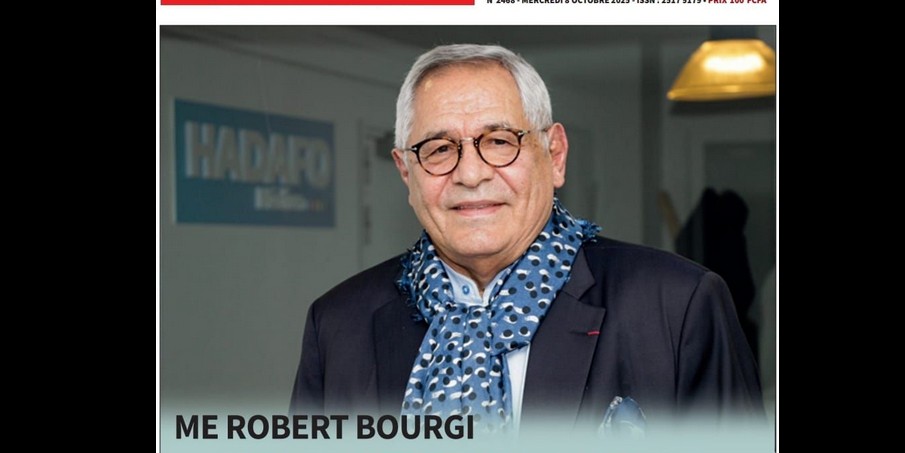
Robert Bourgi Turns on Paul Biya, Declares Him a Political Corpse
- News Team
- 10.Oct.2025
- Details
- Editorial
Heat in Maroua: What Biya’s Return Really Signals
- News Team
- 08.Oct.2025
- Details
- Editorial

Issa Tchiroma: Charles Mambo’s “Change Candidate” for Cameroon
- News Team
- 11.Sep.2025
- Details
- Editorial


