- Details
- Health
Liberia closer to normalcy as Ebola threat subsides
MONROVIA, Liberia — Life is edging back to normal after the deadliest Ebola outbreak in history.
At the height of the epidemic, Liberians met horrific deaths inside the blue-painted walls of the Nathaniel V. Massaquoi Elementary School, as classrooms became Ebola holding centers and the education of a nation’s children, shut in their homes for safety, was abruptly suspended.
Now, parents are streaming into the schoolyard once again, not to visit their stricken loved ones, but with their restless children in tow, registering for the start of classes in a delayed and shortened academic year.
Eager to learn and to play with her friends again, Florence Page, 11, bounded ahead, brimming with pent-up energy, as her mother, Mabel Togba, paused to look warily into the school building through its padlocked metal screen doors.
“They still haven’t told us that Liberia is free of Ebola, so I’m still afraid,” said Togba. “But it’s better than to leave my children at home doing nothing.”
New cases in Liberia, where streets were littered with the Ebola dead just a few months ago, now number in the single digits, according to the World Health Organization. In neighboring Sierra Leone and Guinea, the other two nations in the Ebola hot zone, new cases have fallen sharply in the last month, to fewer than 100 in a week at the end of January — a level not seen in the region since June.
With a virus as deadly as Ebola, officials warn that the epidemic will not be over until cases reach zero in all three countries. But after nearly 9,000 deaths from the disease, the WHO announced last week that it was focusing on a goal that had seemed out of reach for much of last year: ending the Ebola epidemic, no longer simply slowing its spread.
- Details
- Ngwa Bertrand
- Hits: 2276
Local News
- Details
- Society

Kribi II: Man Caught Allegedly Abusing Child
- News Team
- 14.Sep.2025
- Details
- Society

Back to School 2025/2026 – Spotlight on Bamenda & Nkambe
- News Team
- 08.Sep.2025
- Details
- Society

Cameroon 2025: From Kamto to Biya: Longue Longue’s political flip shocks supporters
- News Team
- 08.Sep.2025
- Details
- Society

Meiganga bus crash spotlights Cameroon’s road safety crisis
- News Team
- 05.Sep.2025
EditorialView all
- Details
- Editorial
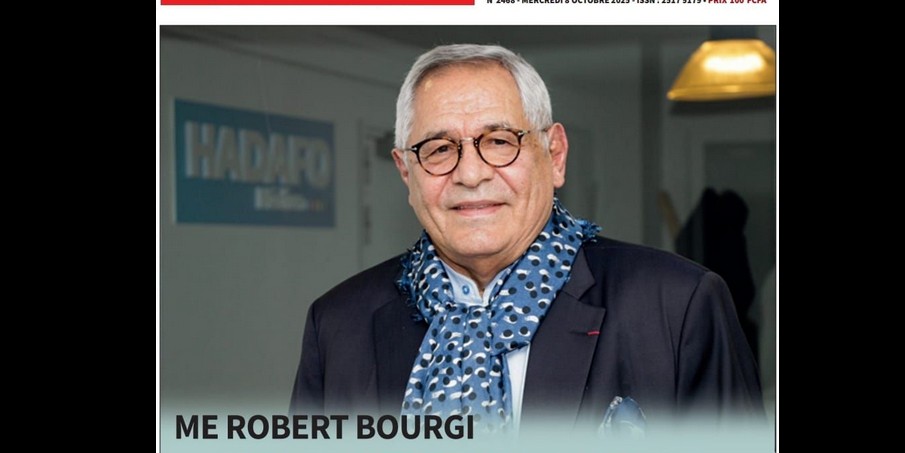
Robert Bourgi Turns on Paul Biya, Declares Him a Political Corpse
- News Team
- 10.Oct.2025
- Details
- Editorial
Heat in Maroua: What Biya’s Return Really Signals
- News Team
- 08.Oct.2025
- Details
- Editorial

Issa Tchiroma: Charles Mambo’s “Change Candidate” for Cameroon
- News Team
- 11.Sep.2025
- Details
- Editorial


