- Details
- Health
Viruses connive to Roll Africa Back into Tough Economic Times
Joachim Arrey in Abidjan, Cote d’Ivoire
Though Africa has always been in the spotlight for all the wrong reasons - poverty, HIV and wars – the continent is this time making news for the deadly viruses that are besieging it. Ebola has been claiming many lives in Liberia, Sierra Leone, Guinea and Nigeria, and the fear of this deadly virus can be seen on many faces across the continent. Ebola alone has engineered the death of more than a thousand people across the continent and due to the speed with which it claims its victims, it has caused many events such as conferences, seminars and workshops scheduled to take place on the continent to be cancelled. Trade is slowing down, as the free movement of goods and persons is being checked due to this invisible killer. Foreign investors are holding off on possible investments as Ebola’s presence on the continent is bad news to them. Africa has an image problem, but the presence of these viruses is casting the entire continent in very bad light.
But just when a silver lining has started to emerge from the continent’s the huge, dark cloud following the positive news about the effectiveness of the anti-Ebola drug; another destructive virus has reared its ugly head in the Democratic Republic of Congo (DRC) where it has already claimed many lives. This no-name virus seems to be transforming Ebola into a child’s play. It should be underscored that Ebola started in Congo and its name is the name of a DRC village whence it started.
According to Congolese health ministry, the deadly hemorrhagic fever of unknown origin has rushed 13 people out of this planet in the northwestern DRC since breaking out on August 11. The country’s health ministry adds that all 13 casualties occurred after suffering from a fever, diarrhea, vomiting and, in a terminal stage, they vomit a black substance. Some 80 people who have come into contact with the deceased have been admitted to hospital.
The first victim was a pregnant woman and the 12 others -- including five medics -- died after coming into contact with her. About 80 people who had contact with the deceased are also currently under observation.
The DRC hemorrhagic fever has reduced Ebola to a dress rehearsal. These viruses seem to be conniving to shut down the entire continent. Ebola alone has already created huge problems to the continent's economy. The continent's tourism and aviation industries are fighting with their backs to the wall, as many airlines have shut down their operations to and from Ebola-affected countries. Tourism numbers to the continent have dropped sharply with many foreign tourists cancelling their trips to the naturally beautiful continent.
However, while the attacks from these viruses are no good news to the struggling continent, they however do offer some hope. Africans have to change their ways or they will make their continent home to these dangerous viruses. It sometimes takes a tragedy for a people to learn. Africans have to learn from these ugly situations. It cannot be business as usual. Many African countries have huge water and sanitation challenges despite efforts by development banks like the African Development Bank and the World Bank to help reverse some of these unfortunate situations.
The people’s culture also seems to be standing in the way to a better life. Africa’s social life, erroneously considered by Africans as the best in the world, is in part, to blame for the rapid spread of these viruses. Africans love shaking hands, eating and drinking from the same containers and even hugging each other many times in a day. It is normal to find huge numbers of African in the same place at the same time for no real reasons. And these viruses love such informal meeting spots where the rules of hygiene are not taken into consideration. In West African countries like Senegal and Mali, eating from the same plate is a common tradition. It is a sign of love, but it is unfortunately fraught with danger and death. Isn’t it time to take a look at these age-old traditions to figure out how they are hurting the people?
Similarly, housing construction is still chaotic in many places on the continent and hygiene seems to be a foreign concept. It is normal to see a chain of Africans urinating on the streets as if they are in a competition. In many slums across the continent, many homes do not have toilets. Human waste is disposed of in a manner that is far from being pleasant. The people of this beleaguered continent seem to be imbued with a short term vision of life that is hurting them every step of the way and it appears only very people actually notice the health ticking time bombs that the people themselves have created. African countries seem to have chosen housing development models that make it impossible for their environments to be clean. When individuals build their own houses, they hardly factor in hygiene and the environment into the whole equation. The objective is always to have a roof over their heads and this explains why disgusting slums are a very visible and unpleasant presence on the continent, even in capital cities.
Also, the eating of wild animals considered as prime suspects in the spread of Ebola must stop if the people of this continent have to stop Ebola from rolling them back into pain and tragedy. Africans should be tired of shedding tears. They have been shooting themselves in the foot for too long due to bad habits and outdated traditional ways. The DRC hemorrhagic fever has the potential to erase entire families and villages if the right measures are not taken. For now, Africans have to learn how to accept new ways if they do not want to be deleted by these viruses that are determined to kill and give the continent a very bad name.
- Details
- Ngwa Bertrand
- Hits: 2688
Local News
- Details
- Society

Kribi II: Man Caught Allegedly Abusing Child
- News Team
- 14.Sep.2025
- Details
- Society

Back to School 2025/2026 – Spotlight on Bamenda & Nkambe
- News Team
- 08.Sep.2025
- Details
- Society

Cameroon 2025: From Kamto to Biya: Longue Longue’s political flip shocks supporters
- News Team
- 08.Sep.2025
- Details
- Society

Meiganga bus crash spotlights Cameroon’s road safety crisis
- News Team
- 05.Sep.2025
EditorialView all
- Details
- Editorial
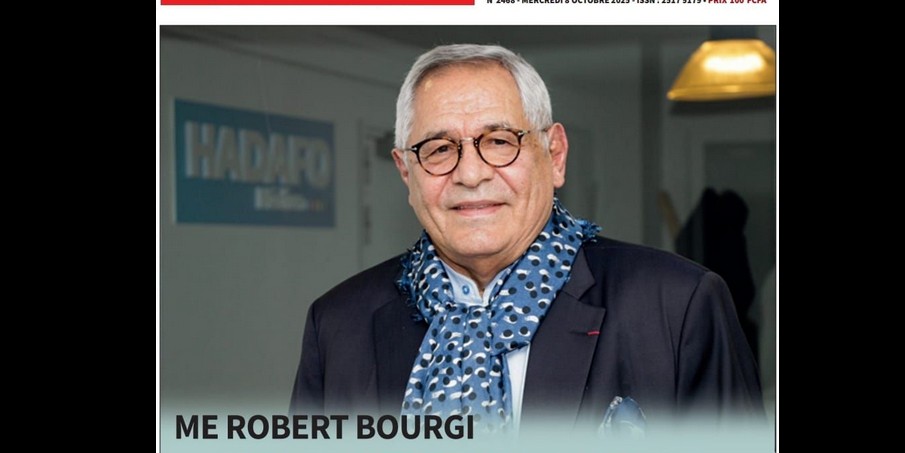
Robert Bourgi Turns on Paul Biya, Declares Him a Political Corpse
- News Team
- 10.Oct.2025
- Details
- Editorial

Heat in Maroua: What Biya’s Return Really Signals
- News Team
- 08.Oct.2025
- Details
- Editorial

Issa Tchiroma: Charles Mambo’s “Change Candidate” for Cameroon
- News Team
- 11.Sep.2025
- Details
- Editorial


