Health
The UN secretary-general has issued a warning regarding the quarantine of Ebola health workers who are combating the deadly virus in West Africa, calling it unnecessary. Ban Ki-moon said during a news conference in Vienna that “extra restrictions and discriminations against health workers” are not required. However, he noted that "When somebody has a symptom (of Ebola), those people should be immediately treated…supported and evacuated when necessary." This comes as some US officials have put health professionals returning from West African countries in quarantine. Meanwhile, citizens from Liberia, Sierra Leone and Guinea, the three Ebola-ravaged West African countries, have been denied entry to Canada and Australia.
- Details
- Ngwa Bertrand
- Hits: 2356
Canada is following Australia's footsteps and has closed its doors, effectively immediately, to people from the West African countries battling Ebola. In a move that puts Canada at odds with the World Health Organization, the federal government said Friday it is suspending the issuance of visas for residents and nationals of countries with "widespread and persistent-intense transmission" of Ebola virus disease. As well, work on permanent residence applications for people from the affected countries is also being suspended. The stress on countries with widespread transmission provides an out for the United States, which currently still has at least one active Ebola case within its borders. At present only three countries meet the definition of widespread and persistent Ebola transmission: Guinea, Sierra Leone and Liberia. An international law expert denounced the move, saying it was a violation of the International Health Regulations, which Canada helped to draft in the aftermath of the 2003 SARS outbreak. And David Fidler, of Indiana University, said the decisions of Canada and Australia to close their doors to the citizens of the affected countries threatens to further undermine the IHR, as the treaty is called. "The whole thing that so many years and so many efforts and so much money was spent on just seems to be disintegrating in this Ebola panic," Fidler said of the treaty. "And to have countries like Australia and Canada be in the forefront of this is even more disheartening, because they had been shoulder to shoulder with those trying to build these regimes, these approaches and to keep us focused on having a disciplined approach in a (disease) crisis." "Now they are back to allowing fear and politics drive responses to a disease threat. And we know that only ends up in a bad place."
The change was announced Friday in the Canada Gazette. In a news release issued some hours later, the government said it was taking "new precautionary measures to protect the health and safety of Canadians." The government said the move does not affect Canadians in West Africa; Canadian health-care workers helping in the effort to contain Ebola will be permitted back into Canada, the release said. As well, Citizenship and Immigration Minister Chris Alexander retains the discretion to grant entry on a case-by-case basis in exceptional circumstances "where travel is essential and in Canada's interest." "The precautionary measures announced today build on actions we have taken to protect the health and safety of Canadians here at home," the news release quoted Alexander as saying. Kevin Menard, a spokesperson for Alexander, said Canada's policy and the one adopted by Australia are "considerably different." "We have instituted a pause, but there is room for discretion if we can be assured that someone is not infected with Ebola," he said in an email which stipulated the government is "doing anything we can to keep Ebola from coming to Canada." Asked if Canada was violating the International Regulations, the government said in an email that it respected the WHO's "guidance" but did not refer to it as a treaty. "Governments have the duty to take actions they deem appropriate to protect the health, safety and security of their citizens," the email said. "Canada, upon reviewing the evidence, has come to the conclusion that visa restrictions of this kind are appropriate to achieve that goal in respect of the Ebola outbreak in Western Africa."
Menard said Canada has not cancelled visas that have been issued but not yet used. But the country is reaching out to people who are in this situation to make sure they understand they will be required to undergo health screening when they arrive in Canada. The government's move was quickly criticized by NDP health critic Libby Davies. "A visa ban isn't a solution. The World Health Organization and the World Bank have both spoken out sharply against international travel bans, so the experts we're relying on to fight Ebola are saying this is not the right approach," Davies said in an email. "The Conservative government seems more interested in public relations than in acting on recommendations from public health experts." Earlier this week Australia issued a blanket ban on visas for resident and citizens of the West African countries struggling to cope with the most devastating Ebola outbreak the world has ever witnessed. That move was slammed Wednesday by Dr. Margaret Chan, the director general of the World Health Organization, who said closing borders will not stop spread of the Ebola virus. "I understand the fear in the community, but the fear factor is way too high and out of proportion to the risk," Chan told Bloomberg News in an interview. "No evidence exists to support the effectiveness of travel bans as a protective measure." Both countries may soon have to try to produce some evidence to support their actions. Under the International Health Regulations, they can be required to explain these decisions to the WHO. The IHR are designed to help the world fight infectious disease outbreaks that have the potential for international spread. When they were revised and strengthened in 2005 after the SARS outbreak, an emphasis was put on not penalizing countries that are experiencing outbreaks because doing so may tempt countries to cover up epidemics rather than disclose them. During SARS, the World Health Organization issued travel advisories directing people around the world to avoid places battling outbreaks. It is a tool the organization has never used again. One of the places hit with a travel advisory was Toronto.
Two prominent members of Prime Minister Stephen Harper's cabinet -- Treasury Board Chairman Tony Clement and Foreign Affairs Minister John Baird -- were then part of an Ontario government that roundly denounced the WHO for the travel advisory, which emptied hotels and conference centres in Canada's largest city. In fact, Clement, then Ontario's health minister, led a delegation to Geneva -- an extraordinary move, given that the WHO only deals with national governments, not lower level governments within a country -- to demand the WHO rescind the travel advisory against Toronto. The travel advisory was lifted shortly thereafter. Under the IHR, countries agree not to restrict trade or travel over and above what is recommended by the WHO during Public Health Emergencies of International Concern. The WHO declared Ebola an international public health emergency on Aug. 8 and in doing so said countries should not close their borders to the West African countries struggling with Ebola. It has repeated that advice several times since. Dr. Theresa Tam, head of the Public Health Agency of Canada's health security infrastructure branch, is a member of the emergency committee that advises Chan on Ebola. That committee recommended countries not institute travel bans on citizens of affected countries, saying the move could backfire by inciting people to travel by circuitous routes.
"A general travel ban is likely to cause economic hardship and could consequently increase the uncontrolled migration of people from affected countries, raising the risk of international spread of Ebola," said a report of the group's most recent meeting, on Oct. 22. The IHR stipulate that countries that go beyond the WHO's recommendations have to back up their decisions with solid rationale.
"You have to explain yourself. And you have to show that your measure, which is more restrictive than what WHO is recommending, is based in science and public health principles," Fidler said in an interview. "There isn't a public health or scientific justification for what Australia and Canada are doing. Therefore they are in violation of their obligations under the international health regulations." Fidler said that Canada and Australia -- both major contributors to international public health efforts and supporters of the WHO -- are taking these actions is particularly disheartening. "You think about Australia and the leadership it's taken in global health on the tobacco issue. You think about Canada and the contributions it has made to global health over the years -- maternal and child health, supporting WHO, CIDA." "Canada is known as being a champion of well-informed, scientifically based, evidence-solid policies. Then something like this happens and it's not only disappointing, it's also a violation of international law. And both Australia and Canada have the capacity to deal with this issue in a way which doesn't have such adverse effects on these West African countries which are suffering from this unprecedented epidemic." In fact Canada actually receives very few travellers from the affected countries. Research done by University of Toronto expert Dr. Kamran Khan showed that only about 1.5 per cent of people travelling from those countries in any given year come to Canada. A recent study Khan and colleagues published in the journal The Lancet showed the three countries -- among the world's poorest -- are not major contributors to international travel. Their combined travel made up half of one per cent of all international air travel in 2013. The figure would be expected to be substantially lower this year, as many air carriers have cancelled flights to the countries. Flights from Liberia are down 51 per cent, from Guinea 66 per cent and Sierra Leone 85 per cent. The latest figures from the WHO suggest at least 13,567 people have been infected since this Ebola outbreak began, and 4,951 have died.
- Details
- Ngwa Bertrand
- Hits: 2796
The second phase of the national anti polio campaign has been launched in Yaounde by the Minister of Public Health, Andre Mama Fouda. The campaign that will run from 31st October to 2nd November, 2014 targets specific groups in the various regions:-Children aged 0 – 10 years in the Adamawa and East regions;-Children aged 0 – 59 months in the other eight regions of the country.-All age groups in the refugee camps of the Adamawa and East regions. According to Prof. Mbu Robinson vaccines have also been sent to the inaccessible places and supervisors dispatched to ensure the proper administration of the vaccine. Prof. Mbu Robinson also noted that social mobilisers have been deployed to sensitise the people on the importance of the vaccine. In the meantime, the United Nations Children Emergency Fund (UNICEF) has also joined in the fight against polio by calling on the media to act as social mobilisers. The UNICEF Country Representative, Zakari Adam made the call during a workshop organised in Yaounde where he qualified the media as an indispensible tool in the fight against poliomyelitis. According to Zakari Adam, campaigns involve communication hence the media organs need to be properly informed on polio, in order to better communicate on the fight. The UNICEF boss encouraged the journalists to work in harmony with the organisations involved in the fight, so as to better propagate the anti-polio message and convince parents to get their children vaccinated. Meanwhile, the Minister of Communication, Issa Tchiroma Bakary also called on public and private media organs to put hands on deck and efficiently sensitise Cameroonians on the poliomyelitis immunisation programme. Minister Issa Tchiroma made this call in a communiqué sent to the media organs during the week.
- Details
- Ngwa Bertrand
- Hits: 2501
Italian businessman tells court he played private prank with daughter on Aer Lingus flight. He is to pay €2,500 to charity for making a private joke about the Ebola virus to his daughter on an Aer Lingus flight. IT company director Roberto Binaschi, who had come to Ireland with his family to attend a conference, told a judge today, “I don’t know how to apologise”. Judge Anthony Halpin said that given the seriousness of the Ebola virus, Mr Binaschi’s prank was a “sick joke” and comparable to a bomb scare. However, he noted that Mr Binaschi was apologetic and had offered to pay €2,500 to charity. Judge Halpin directed that the money should go to the Capuchin Day Centre, which helps homeless people in inner-city Dublin, and he applied section 1 (1) of the Probation Offenders Act. This means Mr Binaschi, who did not comment after the case, has been spared a criminal record as well as a possible prison term. At about 1pm yesterday , emergency services including the Garda, Dublin Airport Police and the Health Service Executive (HSE) took action after the alarm was raised on flight EI 433, from Milan to Dublin. A flight attendant had found a cup marked ‘Attenzione Ebola’ and the captain contacted Dublin Airport Authority which immediately initiated emergency protocols. On landing, the plane carrying 142 passengers, was sealed off for just over an hour while medical tests were carried out. After screening it was established that there was no trace of the deadly virus on board. Three passengers, two women aged 51 and 23, and the 56-year-old man were arrested and brought to Ballymun Garda station. The two women were later released without charge but Mr Binaschi, from Corso Argentina, Vigeavano, near Milan, in northern Italy, was held overnight and brought before Dublin District Court this morning. The 56-year-old pleaded guilty to engaging in threatening, abusive or insulting behaviour on an aeroplane contrary to the Air Navigation and Transport Act. Judge Halpin was told that Mr Binaschi had taken a sip from his daughter’s cup about 20 minutes before landing. “After taking a drink, he then wrote ‘attenzione Ebola’ on the lid and handed it to his daughter.” She finished the drink and the cup was then dumped. On arrest, he immediately admitted he had been joking with his daughter when he wrote the words and he expressed regret for the disturbance. Defence solicitor Michelle Finan said her client was a company director who had come to Dublin for a business conference; he was a man of good standing who trades with Ireland and hopes to “create jobs”.She said that the offence was “skirting on the reckless end”. Pleading with the court to spare him a criminal record, she told Judge Halpin that her client’s business friends had collected €2,500 to be donated to charity.
- Details
- Ngwa Bertrand
- Hits: 2635
Ebola has wiped out whole villages in Sierra Leone and may have caused many more deaths than the nearly 5,000 official global toll, a senior coordinator of the medical aid group MSF said Friday. Rony Zachariah of Doctors Without Borders, known by its French initials MSF, said after visiting Sierra Leone that the Ebola figures were "under-reported", in an interview with AFP on the sidelines of a medical conference in Barcelona. "The situation is catastrophic. There are several villages and communities that have been basically wiped out. In one of the villages I went to, there were 40 inhabitants and 39 died," he said. The World Health Organization (WHO) published revised figures on Friday showing 4,951 people have died of Ebola and there was a total of 13,567 reported cases. "The WHO says there is a correction factor of 2.5, so maybe it is 2.5 times higher and maybe that is not far from the truth. It could be 10,000, 15,000 or 20,000," said Zachariah. He stressed that "whole communities have disappeared but many of them are not in the statistics. The situation on the ground is actually much worse." He added that in some places the local healthcare systems were overwhelmed. "You have one nurse for 10,000 people and then you lose 10, 11, 12 nurses. How is the health system going to work?" After isolated cases in Europe, "we might get a vaccine and a treatment... but even now we need to go much faster because the clock is ticking," he said. "We want action now."
- Details
- Ngwa Bertrand
- Hits: 1917
Liberia may be witnessing a decline in the spread of the deadly Ebola virus, despite the fact that the fight against the disease is far from over, the World Health Organization (WHO) says. Fresh data have confirmed that there have been no new cases of Ebola in Liberia recently, with death cases falling, said Bruce Aylward, the WHO assistant director general, in the capital, Monrovia, on Wednesday. Hospital beds have also become available in Monrovia and Lofa County, he added. The WHO official also stated that figures show that “there are less of Ebola dead burials right now.” Aylward said the Ebola Treatment Center Units, also known as ETCs, new admissions and bed occupancy rates are “seeing a downward trend.” He warned that the sudden positive trend would still have to be confirmed since Liberia remains the worst-hit by the pandemic disease.
- Details
- Ngwa Bertrand
- Hits: 2682
Subcategories
Flourish Doctor Article Count: 3
Meet Your Coach Dr. Joyce Akwe ... With a master's in public health and a medical doctor specialized in internal medicine with a focus on hospital medicine.
Dr. Joyce Akwe is the Chief of Hospital Medicine at the Atlanta VA Health Care System (Atlanta VAHCS), an Associate Professor of Medicine at Emory University School of Medicine and an Adjunct Faculty with Morehouse School of Medicine in Atlanta GA.
After Medical school Dr. Akwe worked for the World Health Organization and then decided to go back to clinical medicine. She completed her internal medicine residency and chief resident year at Morehouse School of Medicine. After that, she joined the Atlanta Veterans VAHCS Hospital Medicine team and has been caring for our nation’s Veterans since then.
Dr. Akwe has built her career in service and leadership at the Atlanta VA HealthCare System, but her influence has extended beyond your work at the Atlanta VA, Emory University, and Morehouse School of Medicine. She has mentored multiple young physicians and continuous to do so. She has previously been recognized by the Chapter for her community service (2010), teaching (as recipient of the 2014 J Willis Hurst Outstanding Bedside Teaching Award), and for your inspirational leadership to younger physicians (as recipient of the 2018 Mark Silverman Award). The Walter J. Moore Leadership Award is another laudable milestone in your car
Dr. Akwe teaches medical students, interns and residents. She particularly enjoys bedside teaching and Quality improvement in Health care which is aimed at improving patient care. Dr. Akwe received the distinguished physician award from Emory University School of medicine and the Nanette Wenger Award for leadership. She has published multiple papers on health care topics.
Local News
- Details
- Society

Kribi II: Man Caught Allegedly Abusing Child
- News Team
- 14.Sep.2025
- Details
- Society

Back to School 2025/2026 – Spotlight on Bamenda & Nkambe
- News Team
- 08.Sep.2025
- Details
- Society

Cameroon 2025: From Kamto to Biya: Longue Longue’s political flip shocks supporters
- News Team
- 08.Sep.2025
- Details
- Society

Meiganga bus crash spotlights Cameroon’s road safety crisis
- News Team
- 05.Sep.2025
EditorialView all
- Details
- Editorial

When Power Forgets Its Limits: Reading Atanga Nji Through Ekinneh Agbaw-Ebai’s Lens
- News Team
- 17.Dec.2025
- Details
- Editorial
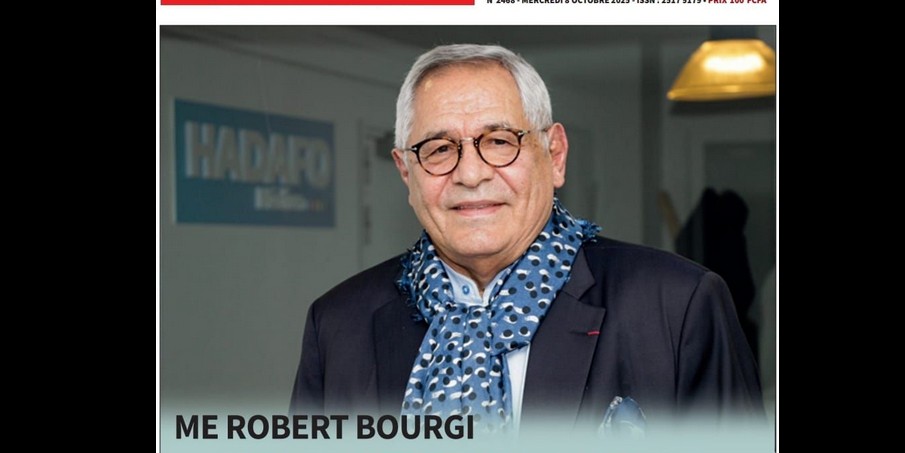
Robert Bourgi Turns on Paul Biya, Declares Him a Political Corpse
- News Team
- 10.Oct.2025
- Details
- Editorial

Heat in Maroua: What Biya’s Return Really Signals
- News Team
- 08.Oct.2025
- Details
- Editorial

Issa Tchiroma: Charles Mambo’s “Change Candidate” for Cameroon
- News Team
- 11.Sep.2025


